The problem
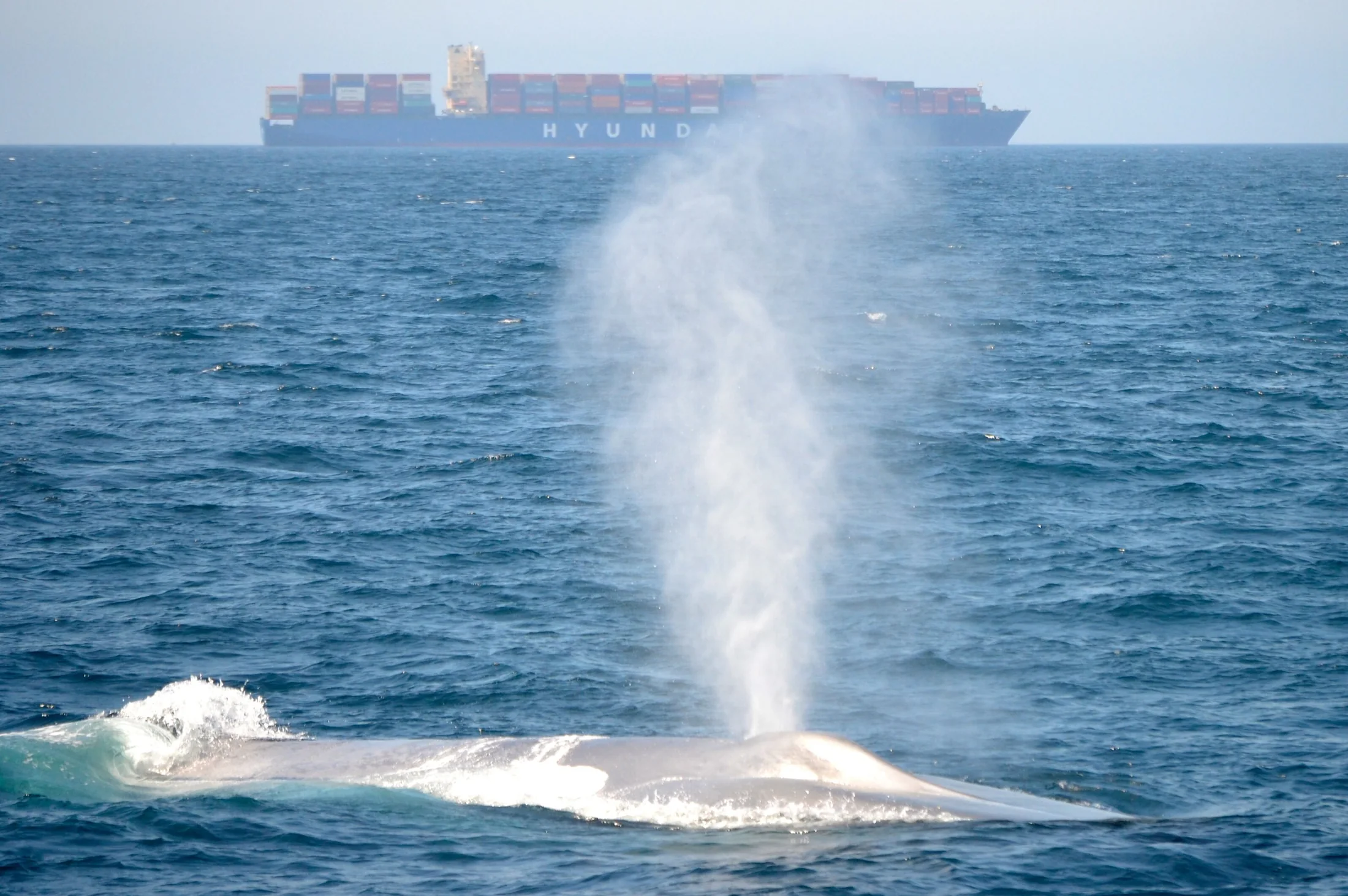
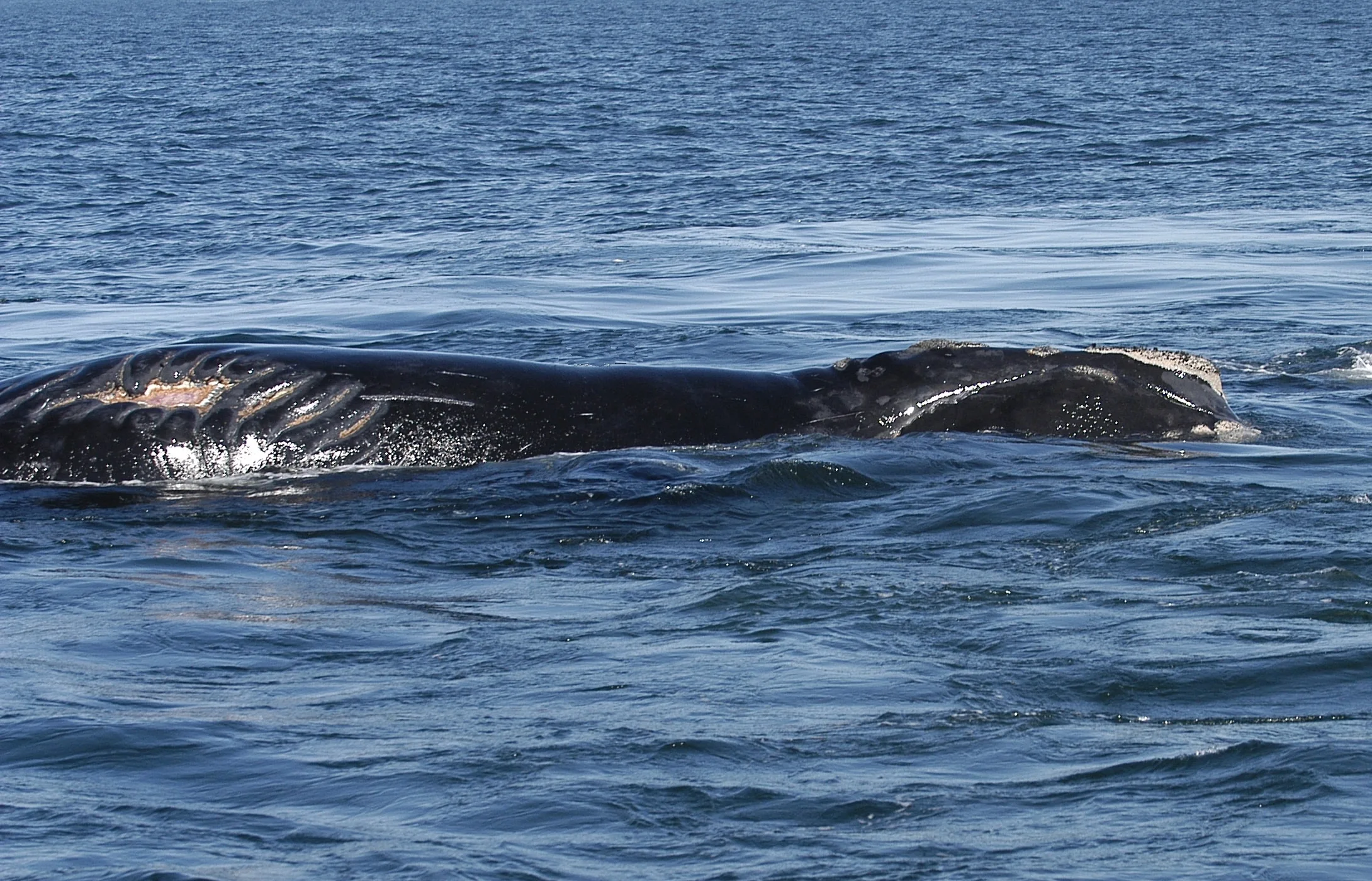
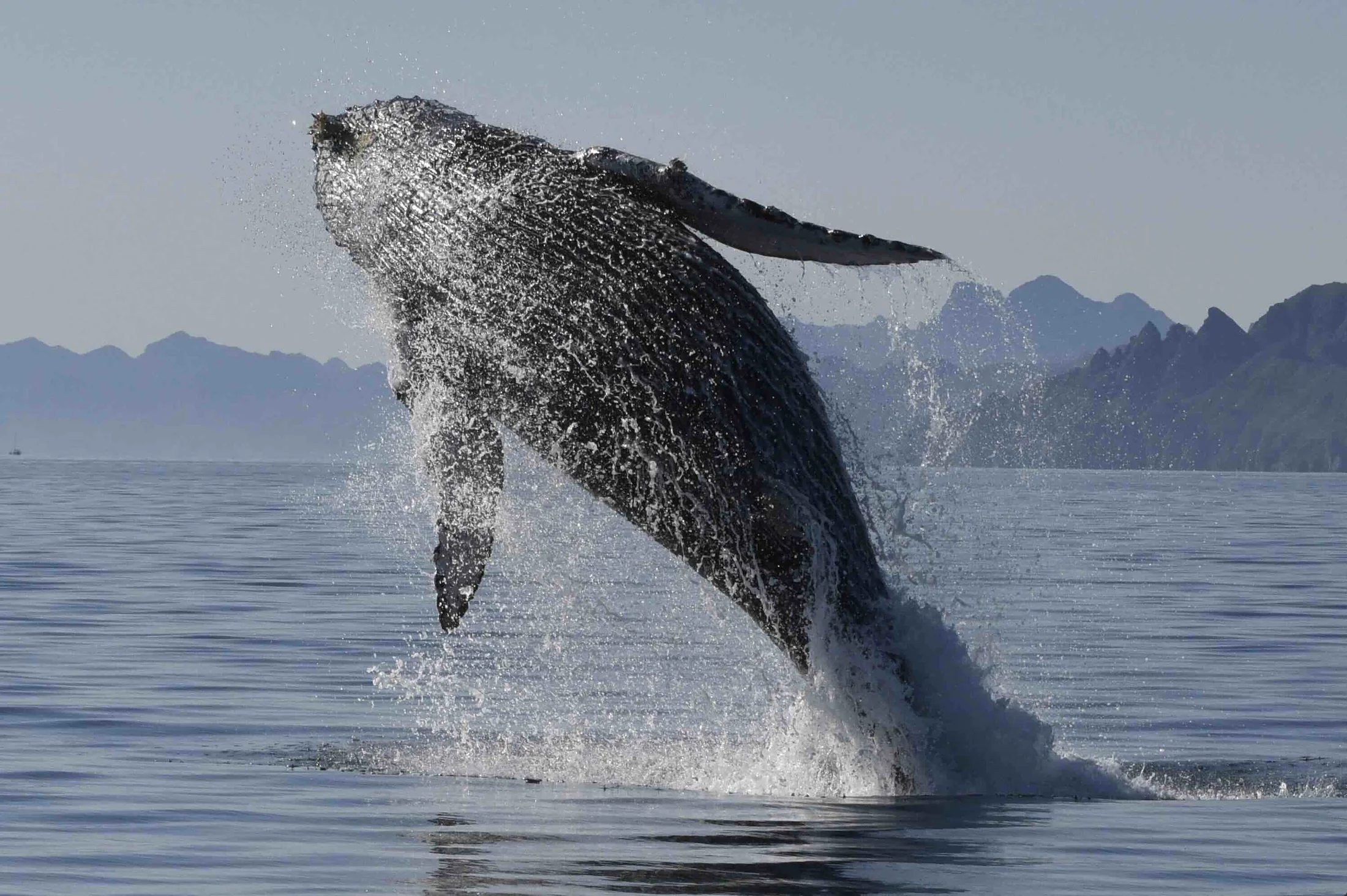
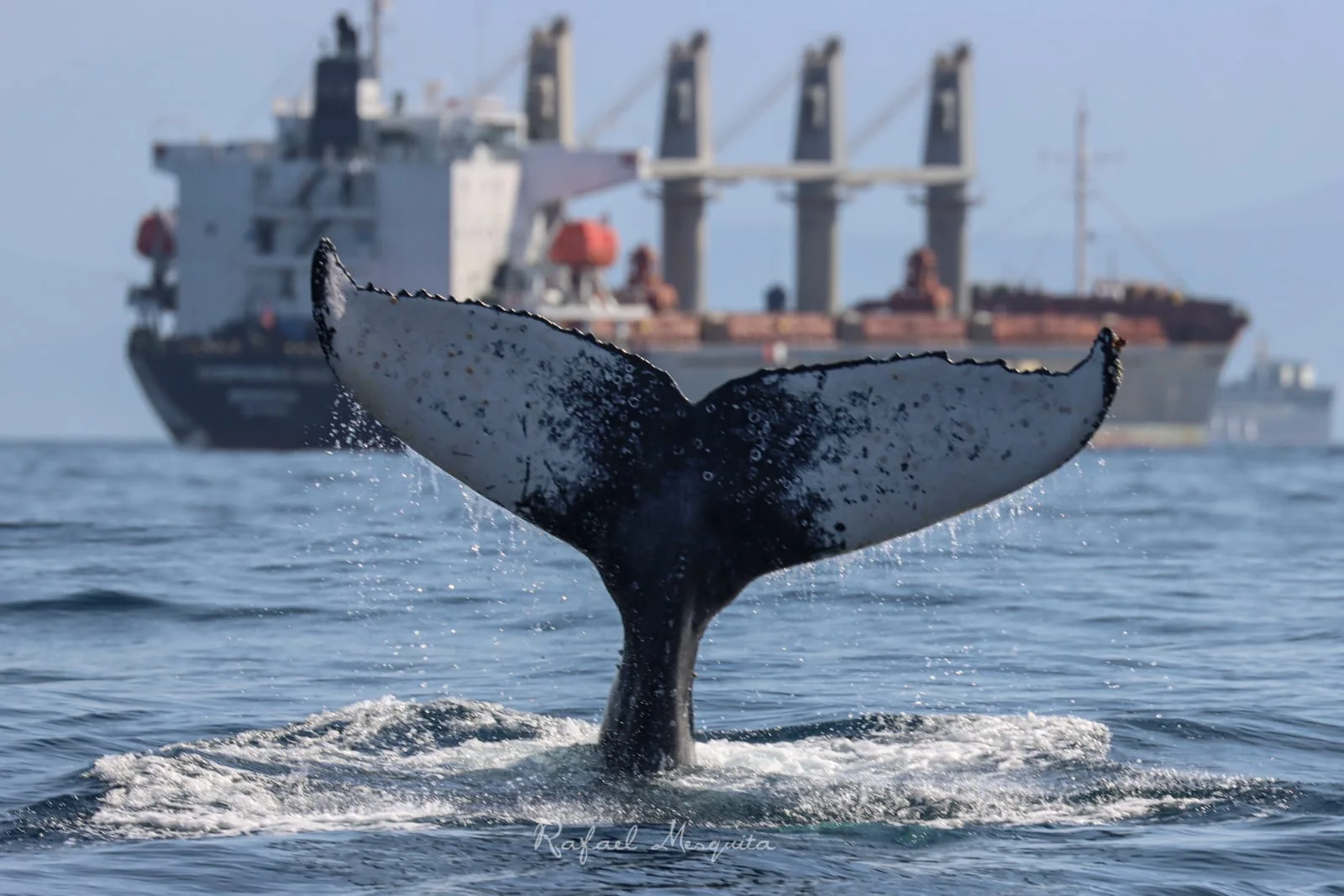
Ship strikes are one of the leading human-caused threats to large whales worldwide, yet most go unrecorded. A large vessel often doesn't register a collision, and many struck animals sink or drift offshore, never to be counted. The carcasses that do wash up on our beaches are likely only a fraction of the true toll.
Since late 2023, shipping around South Africa has roughly doubled as vessels divert from the Red Sea and, in 2026, the Strait of Hormuz, putting far more ships in waters used by humpback and southern right whales. Yet most existing whale-position data was gathered for other research purposes rather than in the shipping lanes, so navigators have little reliable information to plan their routes around.
The action and the science
Whale Guardians developed the WG-SCOUT, a compact, easy-to-use device that lets vessel crews record marine mammal sightings with a simple spot-and-share workflow, without distracting navigation staff or needing to be species experts.
Sightings flow into the PodView database, where they are combined with other data sources and laid over vessel traffic to reveal hotspots near ports, anchorages and feeding areas. Master mariners and researchers then define Areas to Be Avoided (ATBAs), which the Whale Guardians API delivers directly to ship navigation systems so route planners can steer around whales. Where whales cannot be avoided, ships are encouraged to slow down.
The impact
WG-SCOUT development began in January 2026. After five versions, the first devices were handed over in October 2026 to BOSSS Marine launch captains servicing ships off Durban, Richards Bay and Cape Town, and whale sightings from the shipping lanes are already coming in.
Whale Guardians' ATBAs, defined by master mariners and researchers, are accepted by member shipping companies and are protecting whales today. More tested and approved WG-SCOUT units are being built for additional vessels, and the team is working to establish marine mammal presence at the Algoa Bay (Addo) canyons to support new ATBAs there.
How ocean users can help
If you work on the water as a skipper, charter fishing operator, yacht crew, pilot boat or commercial vessel, you can carry a WG-SCOUT and log whale sightings on your normal routes. Every participating vessel keeps full ownership and privacy of the data it collects.
You can also help by sharing Whale Guardians' work with your networks and introducing them to vessel operators and shipping companies along the coast. Get in touch through their website to find out how to join.