
The problem
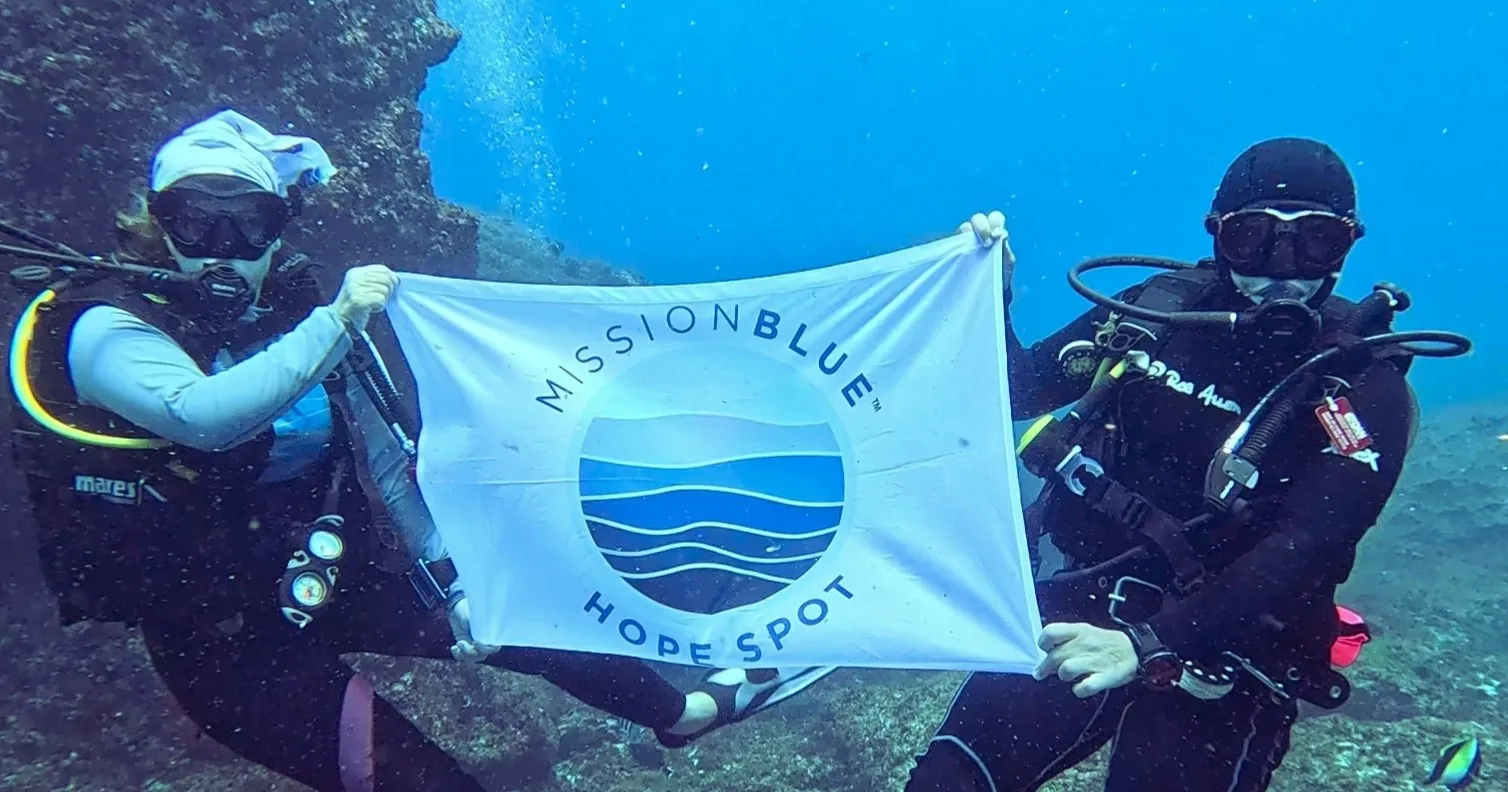
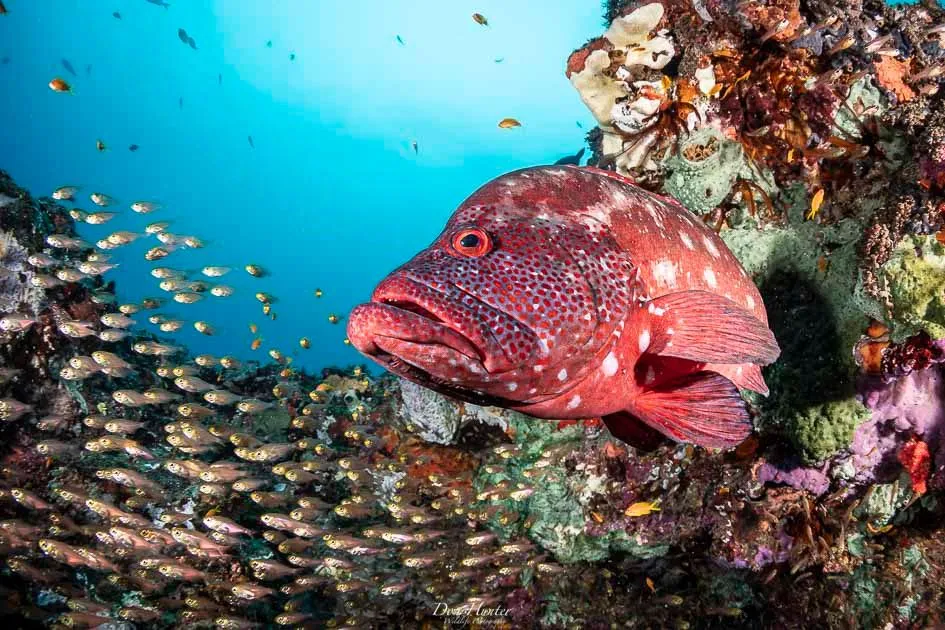
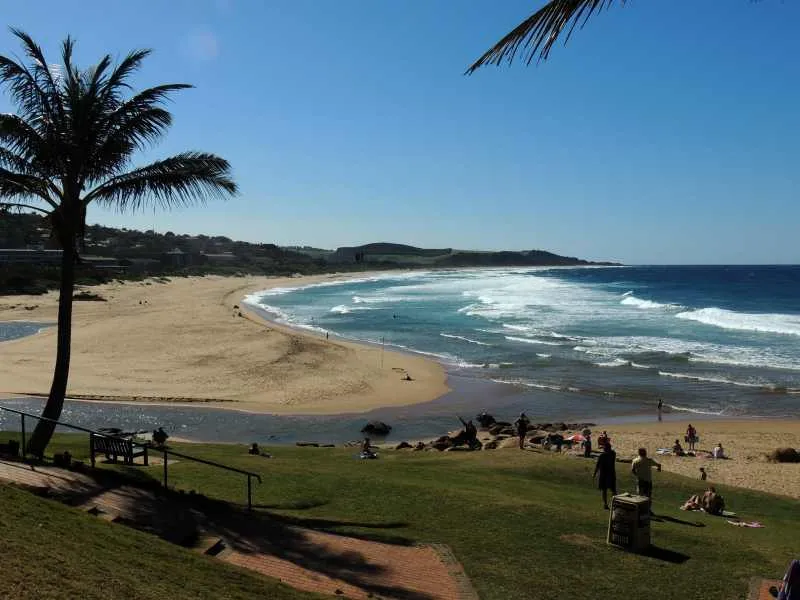
The Mission Blue Aliwal Shoal Hope Spot encompasses one of South Africa's most ecologically significant marine environments. Situated off the KwaZulu-Natal South Coast, the submerged fossilised dune reef lies along the inner edge of the Agulhas Current, creating a dynamic ecosystem supporting exceptional tropical, subtropical and warm-temperate marine biodiversity.
Its habitats support diverse reef fish, hard and soft corals, marine turtles, dolphins and numerous shark species, including seasonal aggregations of ragged-tooth sharks. The surrounding waters also form part of important migratory routes for humpback and southern right whales and are closely associated with the annual Sardine Run. This ecological richness underpins important recreational, diving and tourism activities, contributing to the regional economy and coastal livelihoods.
Despite its recognised ecological importance and formal Marine Protected Area status, the Aliwal Shoal faces significant and interconnected pressures.
Overfishing, illegal fishing and poaching undermine fisheries recovery, threaten vulnerable species and compromise the effectiveness of protected areas. Insufficient enforcement capacity and monitoring make it difficult to ensure compliance, particularly in restricted and no-take zones.
Industrial discharge, inadequately treated wastewater, agricultural runoff and coastal waste threaten water quality and the health of marine and estuarine habitats. Pollution originating beyond the boundaries of the MPA can have far-reaching consequences for the wider ecosystem.
Lethal shark control measures create additional pressure on marine biodiversity through the incidental capture of non-target species, including threatened sharks, rays and other marine animals.
Climate change and increasing environmental volatility compound these existing threats. Rising sea temperatures, changing ocean conditions and extreme weather events place additional stress on reef habitats, marine species and the ecological processes that sustain them.
Commercial shipping through important whale migration routes introduces further risks, including vessel strikes, underwater noise and disturbance to migratory marine mammals.
The cumulative effects of these pressures threaten the ecological resilience of Aliwal Shoal and the long-term effectiveness of its protection.
The designation of Aliwal Shoal as a Mission Blue Hope Spot provides an important platform to strengthen conservation efforts, elevate local priorities and connect scientific expertise, government institutions, conservation partners and coastal communities. The challenge is to translate international recognition and existing legal protection into sustained, collaborative action, effective stewardship and measurable improvements in ecosystem protection.
The action and the science
The Aliwal Shoal Hope Spot works to strengthen the protection of this marine ecosystem through a coordinated programme of scientific research, conservation partnerships, community engagement and public advocacy.
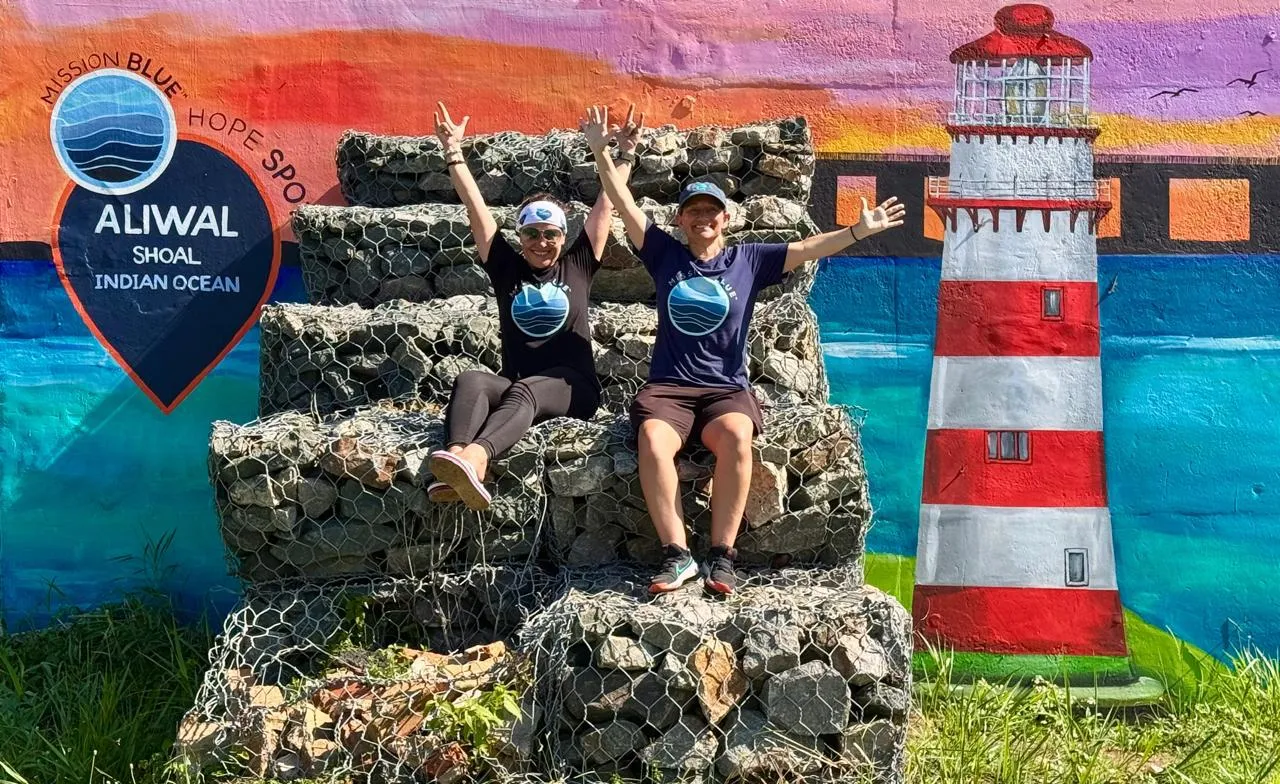
Through Mission Blue's global Hope Spot network, the initiative connects local conservation priorities with international scientific expertise, communications and opportunities for collaboration. The local Champions work with conservation organisations, researchers, government representatives, tourism operators and community stakeholders to advance shared conservation objectives.
Key activities include:
Marine research and monitoring: Supporting scientific investigations into biodiversity, ecosystem health and environmental pressures, including bioacoustics and environmental DNA (eDNA) research to improve understanding of marine species and ecosystem dynamics.
Citizen science: Engaging divers, ocean users and coastal communities in recording biodiversity observations, marine debris, intertidal conditions and other environmental indicators.
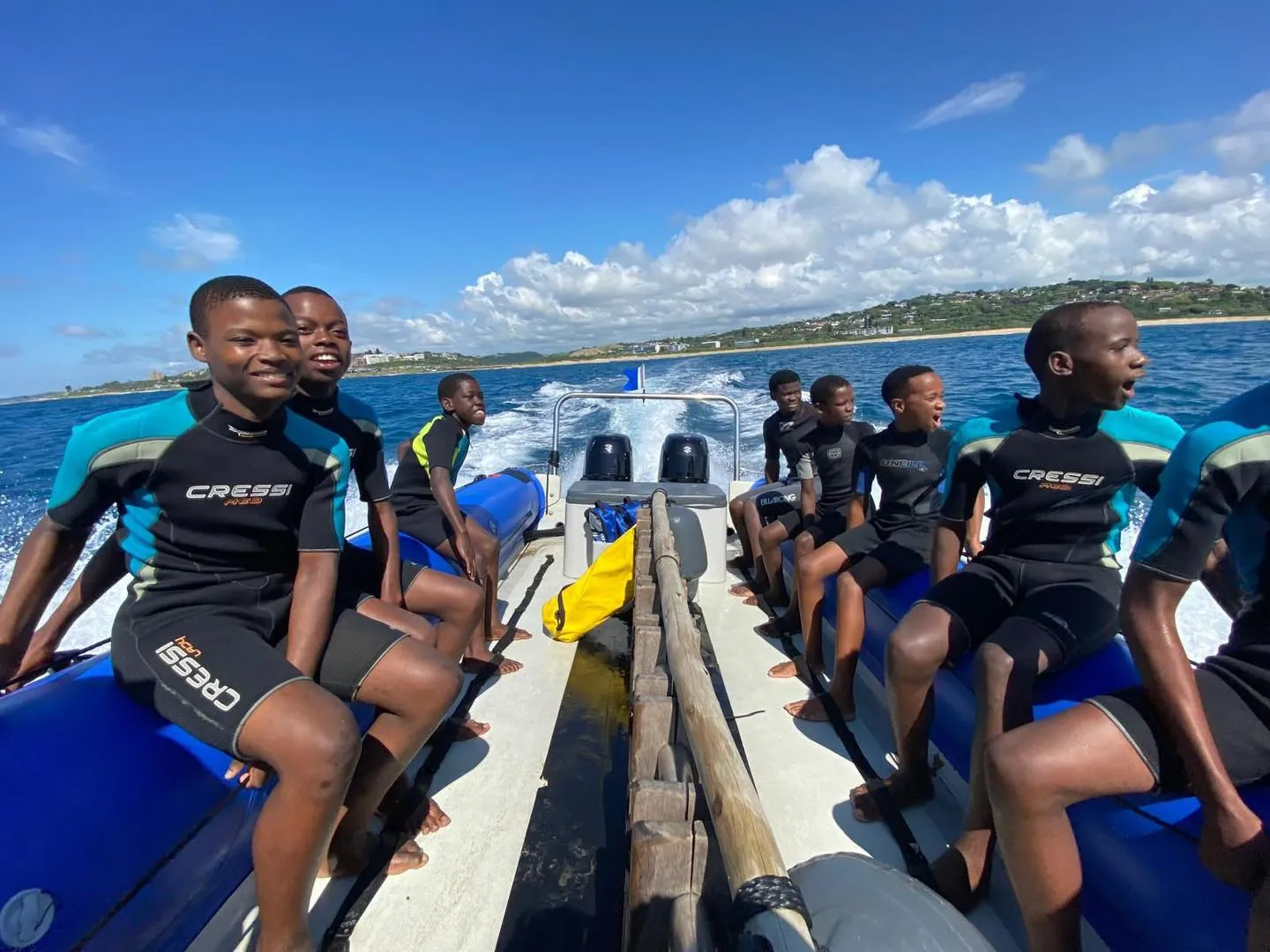
Youth ocean education: Providing underserved young people with meaningful opportunities to experience the marine environment through snorkelling, tidal pool exploration, reef experiences and practical conservation learning.
Marine protection advocacy: Promoting awareness of MPA regulations, strengthening stakeholder relationships and highlighting the importance of effective monitoring and enforcement.
Community participation: Creating opportunities for residents, schools, tourism operators and ocean users to participate in conservation activities and develop a stronger connection with the Hope Spot.
These activities bring together scientific evidence and local knowledge to identify conservation priorities, strengthen public understanding and inform longer-term protection strategies.
The impact
The Aliwal Shoal Hope Spot is building a stronger conservation constituency around one of South Africa's most important marine ecosystems.
Its Youth Ambassador Programme has already introduced more than 150 young South Africans, primarily from underserved communities, to the marine environment through practical ocean experiences and conservation education. These experiences are helping build environmental awareness, a sense of ownership and the foundations for future ocean stewardship.
Scientific partnerships and citizen science initiatives are expanding opportunities to gather valuable environmental information and improve understanding of the ecosystem. Collaborative conservation activities are also strengthening relationships between local communities, researchers, conservation organisations and government stakeholders.
Through Mission Blue's international network, the Hope Spot gains visibility and opportunities to connect local conservation challenges with wider scientific and advocacy efforts.
The longer-term ambition is to strengthen the effectiveness of marine protection, improve ecosystem knowledge, increase community participation and build lasting support for the conservation of the Aliwal Shoal and its surrounding coastal environment.
How ocean users can help
Every ocean user has a role in protecting the Aliwal Shoal Hope Spot. Divers, snorkellers, fishers, surfers, paddlers, boat operators and coastal residents can contribute by respecting MPA regulations, reporting suspected illegal activities to the appropriate authorities and adopting responsible ocean practices.
Visitors can help reduce marine pollution by limiting single-use plastics, disposing of waste responsibly and participating in beach clean-ups. Divers and snorkellers can contribute to citizen science by recording marine life sightings, documenting environmental changes and sharing observations with recognised research and conservation initiatives.
Tourism operators and recreational ocean users can promote responsible wildlife encounters, respect marine habitats and help communicate the ecological importance of the Hope Spot.
Schools, families and community groups can support youth education and conservation activities, helping more young people develop an understanding of and connection with their local marine environment.
By supporting local conservation initiatives, sharing credible information and becoming active advocates for marine protection, ocean users can help ensure that the Aliwal Shoal remains a thriving marine ecosystem for future generations.