The problem
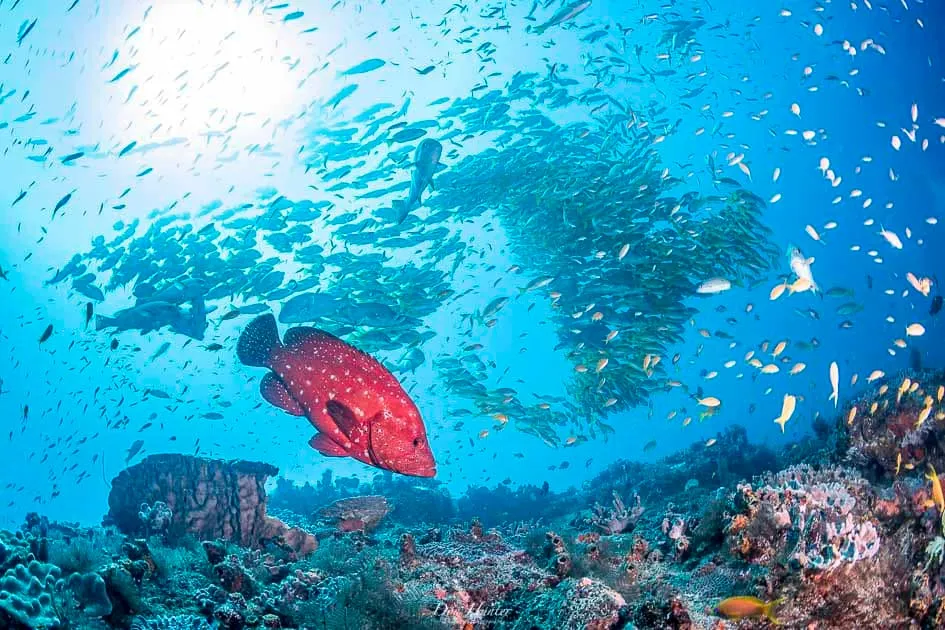
South Africa's marine ecosystems face mounting pressure from human activity, inadequate protection and accelerating environmental change. Along the KwaZulu-Natal coastline, these pressures affect biodiversity, marine habitats, fisheries and the communities whose livelihoods and wellbeing depend on a healthy ocean.
Overfishing and illegal fishing place sustained pressure on marine populations and disrupt ecological balance. Unsustainable extraction, destructive fishing practices and inadequate monitoring threaten vulnerable species and undermine the long-term value of Marine Protected Areas (MPAs).
Industrial activity, untreated or inadequately treated wastewater, agricultural runoff and coastal pollution introduce contaminants and waste into marine environments. These pressures affect water quality, damage habitats and expose marine organisms to multiple sources of environmental stress.
Weak enforcement and limited institutional capacity make it difficult to address illegal activities, ensure compliance and translate environmental legislation into effective protection. Even formally protected marine areas remain vulnerable when monitoring, accountability and operational resources are insufficient.
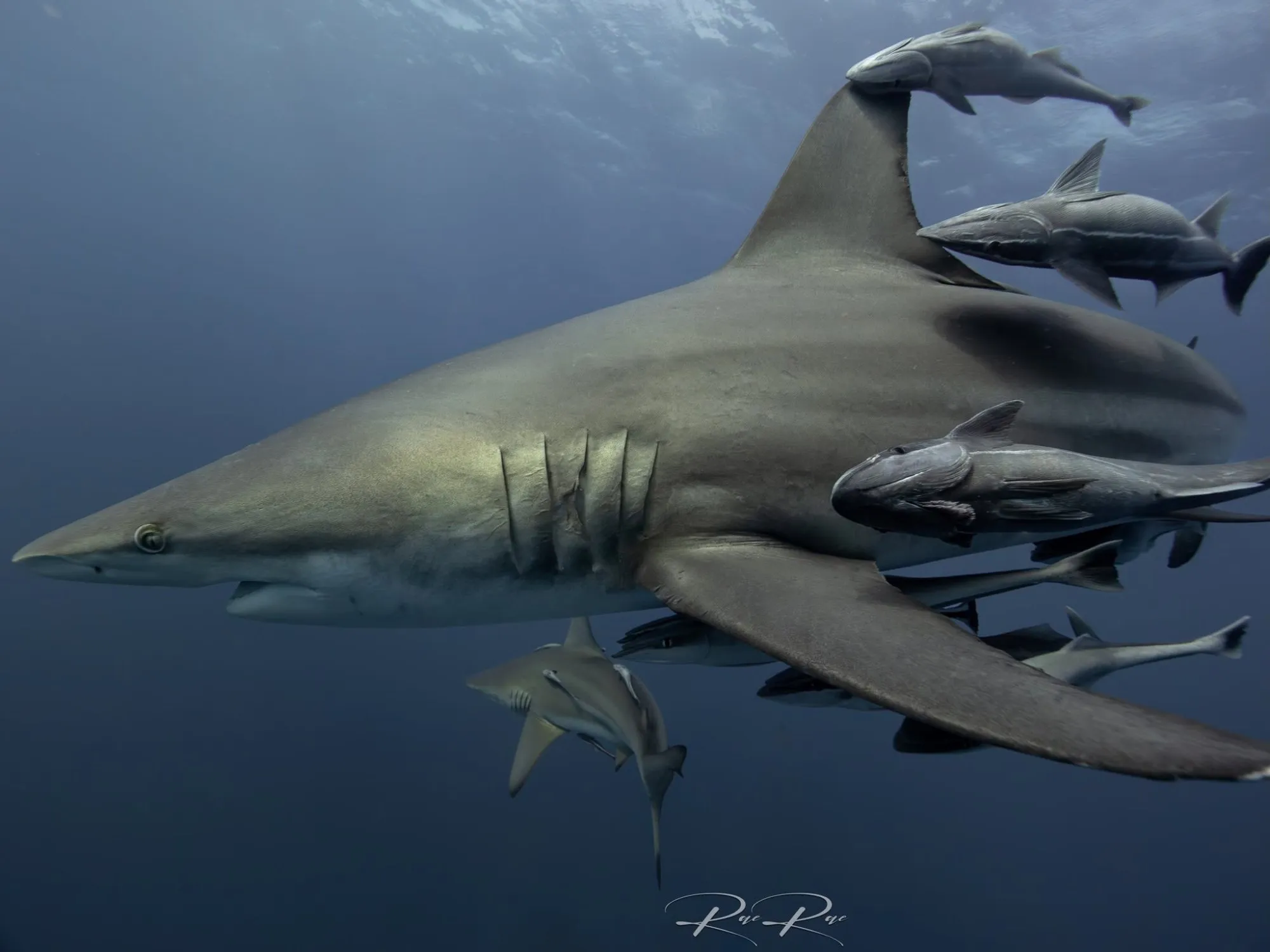
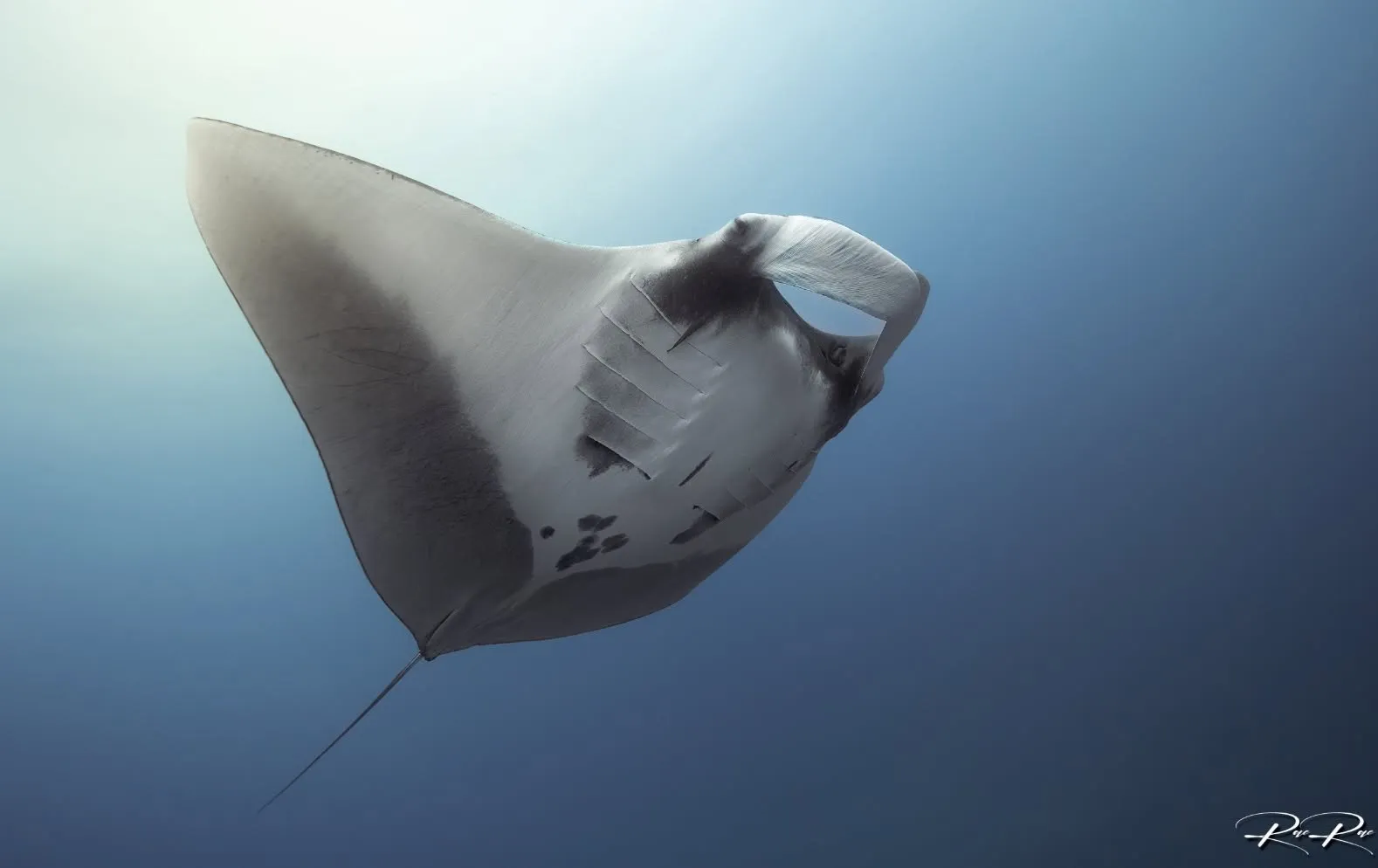
Lethal shark control measures present additional challenges for marine biodiversity, particularly where non-selective capture methods affect sharks, rays and other marine species. Their ecological consequences extend beyond individual animals, affecting the balance of marine food webs.
Climate volatility compounds these existing pressures. Rising ocean temperatures, changing environmental conditions, extreme weather events and shifting species distributions place additional stress on already vulnerable ecosystems. These changes can affect reef health, marine food webs, breeding patterns and the resilience of coastal habitats.
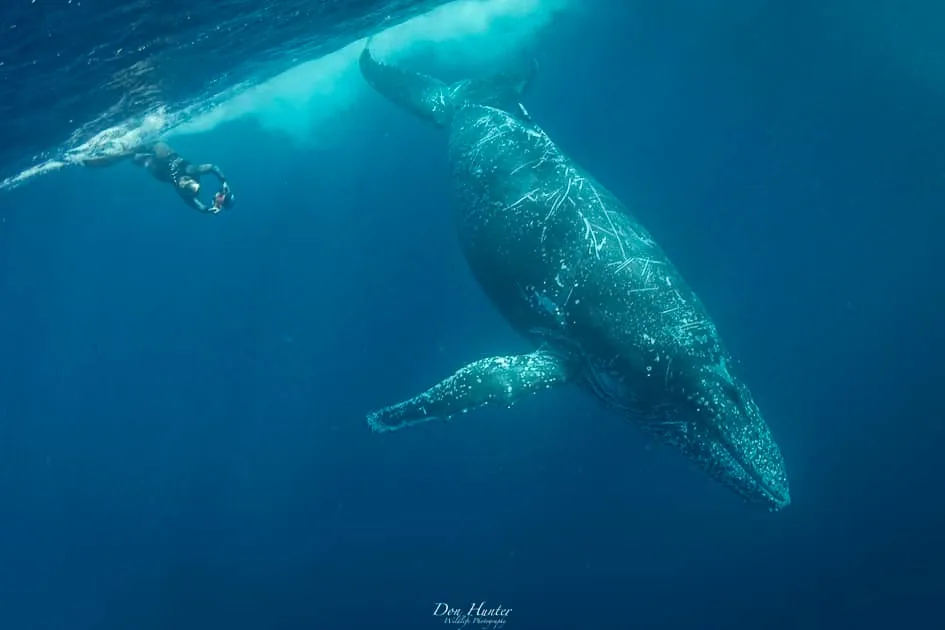
Commercial shipping through important whale migration routes introduces further risks, including vessel strikes, underwater noise and disturbance to marine mammals.
The cumulative effects of these interconnected threats weaken ecosystem resilience and increase the difficulty of achieving meaningful, long-term marine protection.
Wild Alliance Africa recognises that effective conservation requires informed communities, credible scientific evidence, collaboration between stakeholders and sustained action on the ground. Stronger public participation and better-informed ocean users are essential to building accountability and securing the future of South Africa's marine heritage.
The action and the science
Wild Alliance Africa brings together conservation practitioners, researchers, local communities and ocean users to turn conservation priorities into practical action. Its work includes marine protection initiatives, community-based monitoring, environmental education, coastal clean-ups, biodiversity observations and citizen science.
Through field activities along the KwaZulu-Natal coast, Wild Alliance Africa's facilitates the collection of environmental observations and samples that contribute to research into marine biodiversity, pollution and ecosystem health. Collaboration with scientific and conservation partners strengthens the value of this work, helping translate field evidence into greater understanding and informed conservation responses.
The impact
Wild Alliance Africa's work strengthens the connection between people and the marine environment, builds local conservation capacity and creates opportunities for meaningful public participation in ocean protection.
Through education, field engagement and collaborative research, the organisation helps generate knowledge, increase awareness of marine threats and build a broader constituency for responsible ocean stewardship.
Its approach supports more informed communities, stronger conservation partnerships and sustained attention to the pressures facing marine ecosystems.
How ocean users can help
Ocean users can contribute by reporting illegal or harmful activities through the appropriate authorities, reducing waste and pollution, choosing responsibly sourced seafood and respecting Marine Protected Area regulations. Beachgoers, divers, fishers, boat operators and coastal residents can also participate in citizen science by recording wildlife sightings, unusual environmental changes, pollution and marine debris.
Support for Wild Alliance Africa's conservation activities, educational initiatives and research partnerships helps extend this work. Sharing credible information, participating in community events and encouraging responsible ocean practices can turn individual awareness into collective action.