The problem
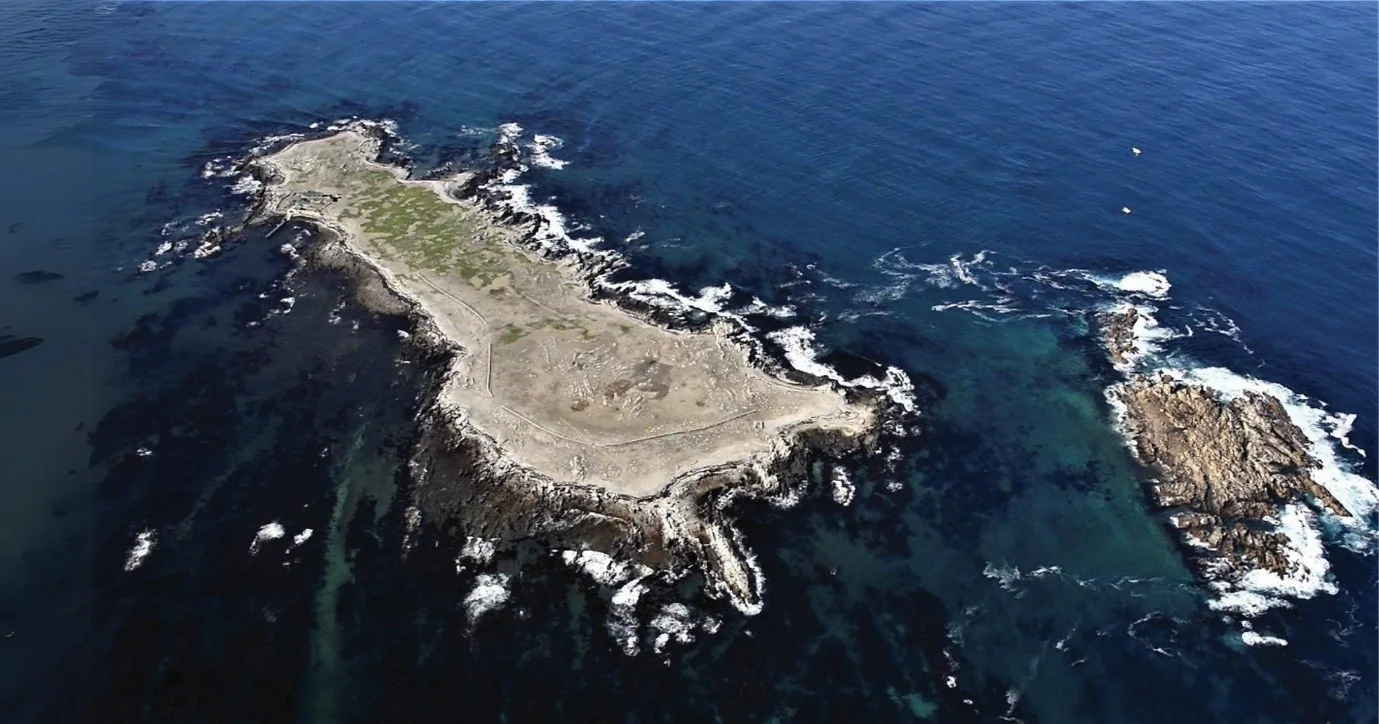
The Dyer Island ecosystem, including Dyer Island, Shark Alley and Geyser Rock, supports critically endangered African penguins, numerous seabird species, approximately 20,000 Cape fur seals, sharks, whales and dolphins. However, declining fish stocks, climate change, marine pollution, fisheries interactions, habitat degradation and disturbance to marine food webs threaten this fragile environment.
The African penguin population has declined by approximately 98% since 1920. Great white shark movements and sightings have also changed, highlighting the importance of long-term research to understand ecological shifts and the cumulative pressures affecting marine wildlife.
The action and the science
Founded in 2006, the Dyer Island Conservation Trust (DICT) combines scientific research with direct conservation interventions.
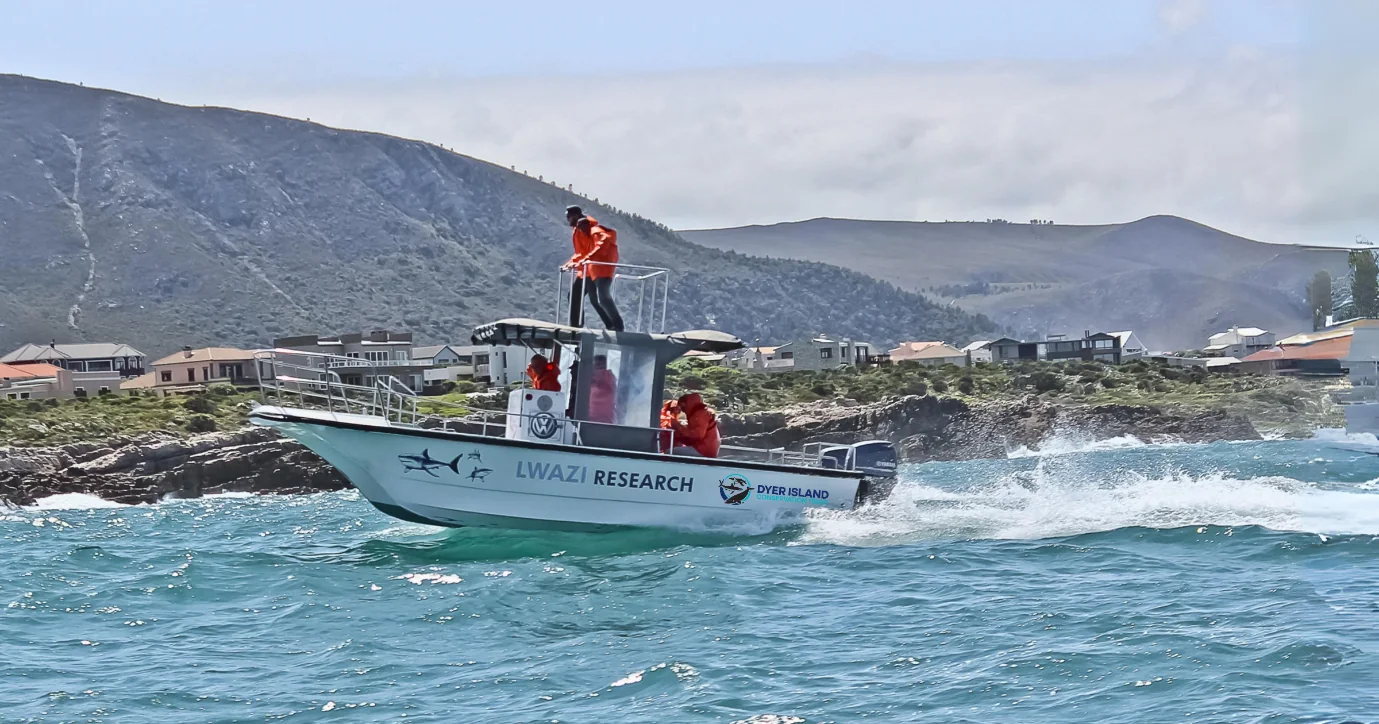
Great white shark research: photographic identification, acoustic and satellite tagging have helped researchers investigate shark populations, behaviour and migration. Through the Acoustic Tracking Array Platform (ATAP), a network of 285 acoustic receivers spanning more than 2,300 km of coastline records the movements of tagged marine animals. Research has documented great white shark migrations across the region and as far as Australia and sub-Antarctic waters, and has examined shark wound healing, population estimates and changes following orca predation.
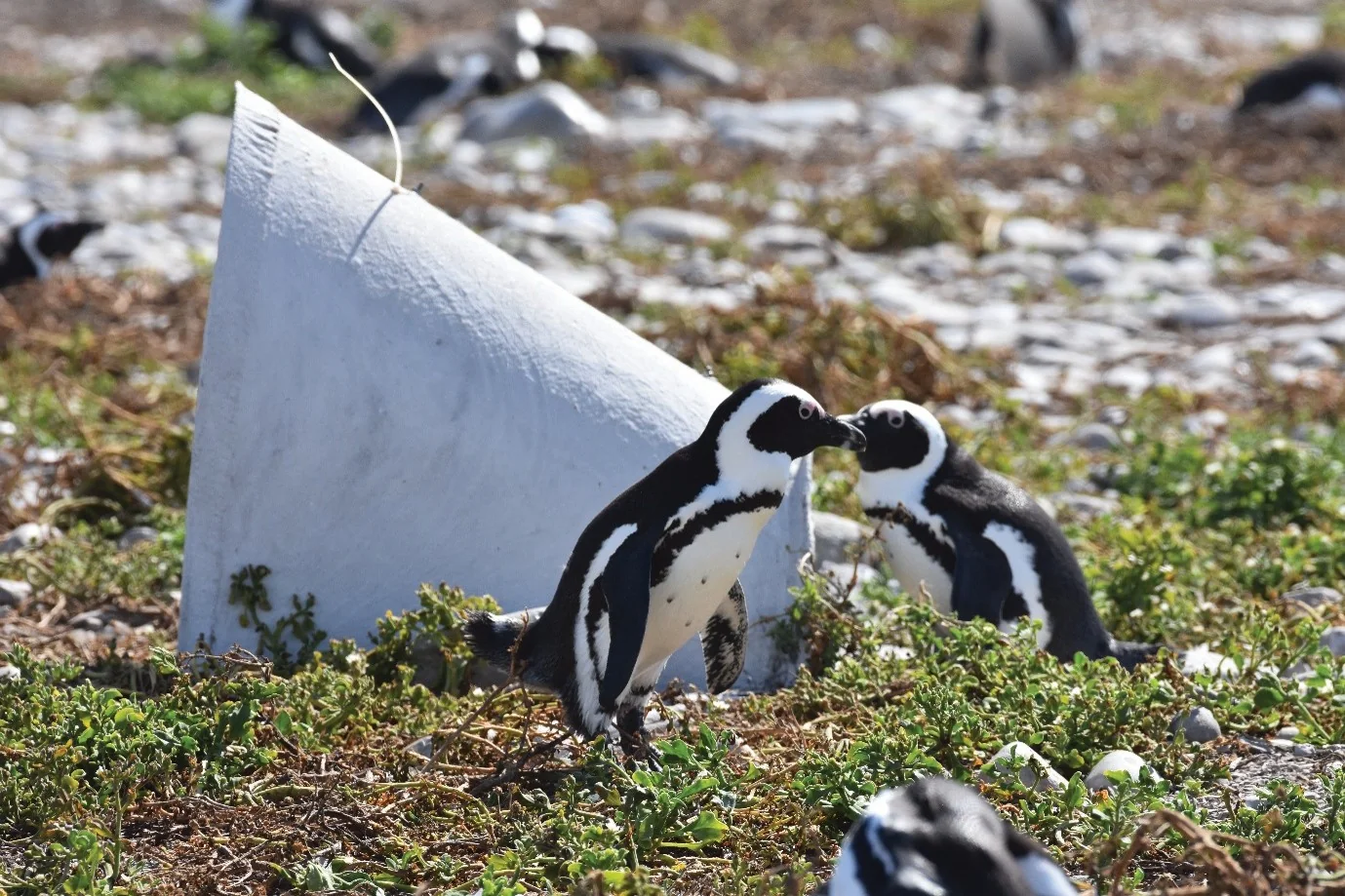
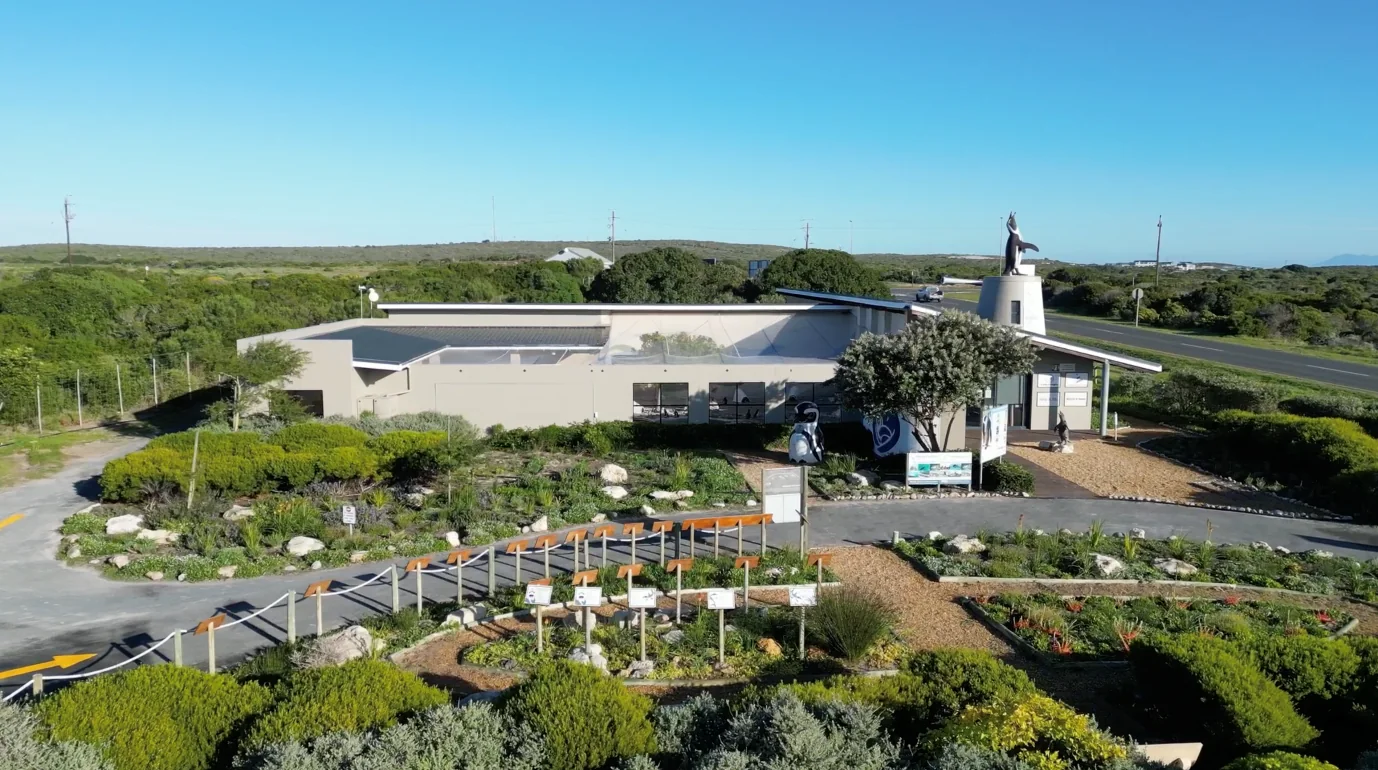
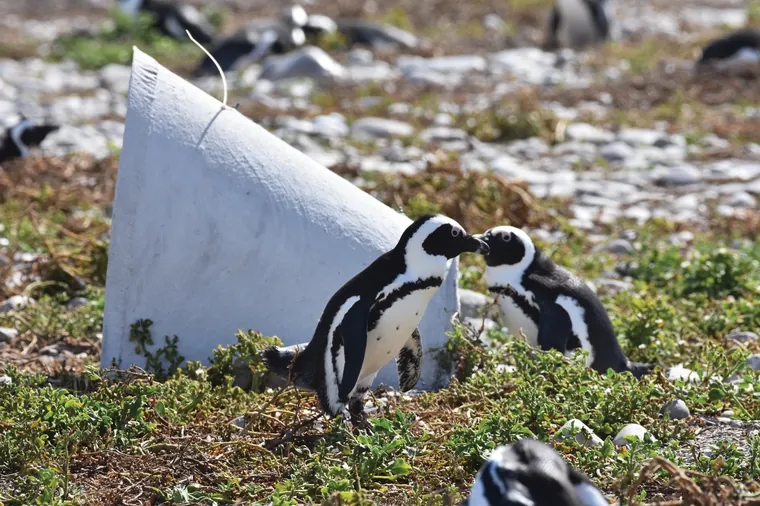
African penguin conservation: the African Penguin & Seabird Sanctuary (APSS) rescues, rehabilitates and releases injured, oiled and vulnerable seabirds. The African Penguin Nest Project develops artificial nests to improve breeding success. The Dyer Island Camera Project enables remote surveillance of seabird colonies, while a specialised seabird ranger provides daily monitoring and rapid response to threats.
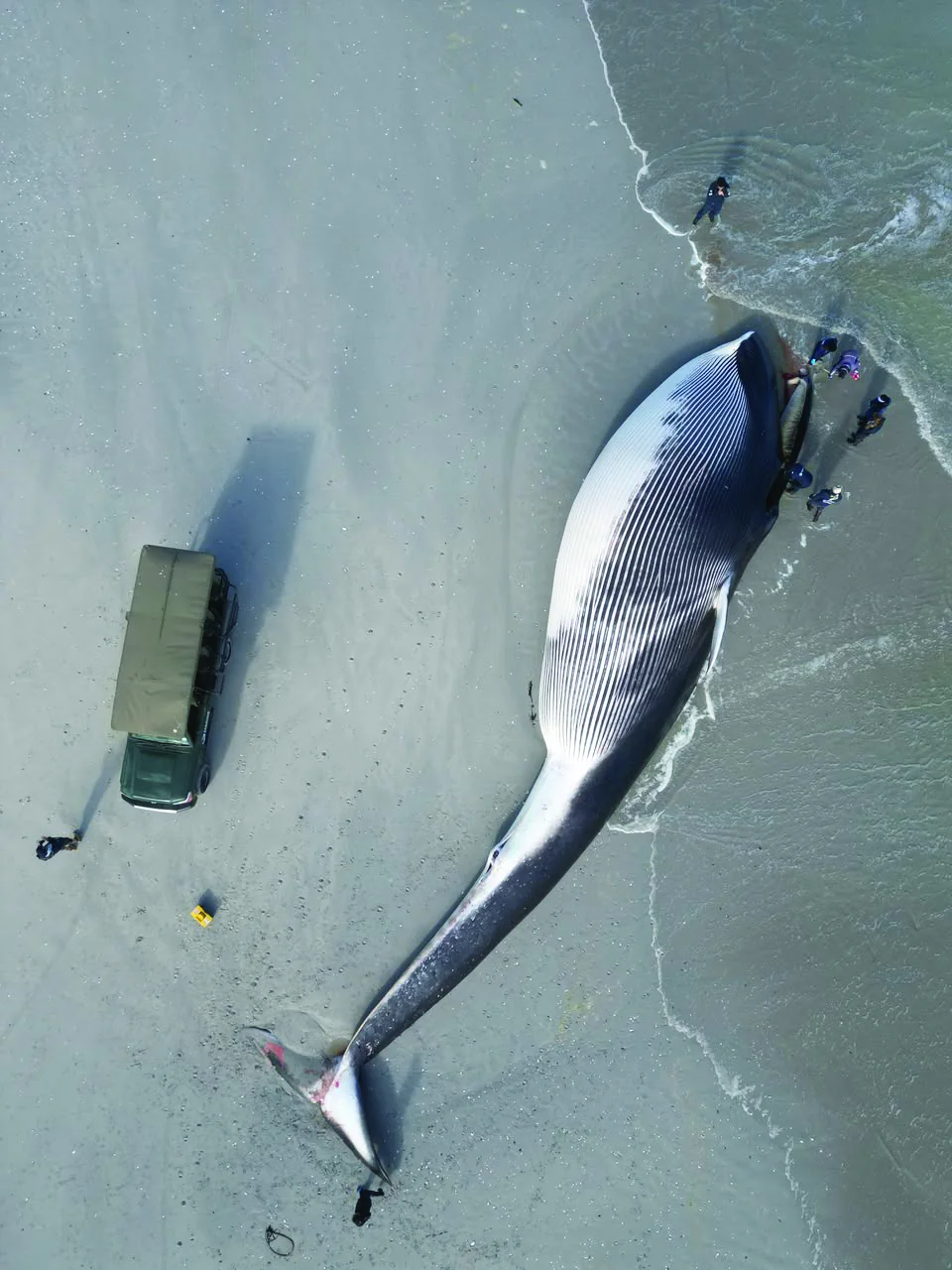
Ecosystem studies: quarterly Baited Remote Underwater Video System (BRUVS) surveys monitor fish and shark diversity, abundance and habitat use. Through the ORI Cooperative Fish Tagging Project, the Trust contributes to research on fish movement and distribution. Weekly Uilenkraalsmond Estuary monitoring combines bird surveys with water-quality and nutrient sampling. Further research covers whale surveys, the endangered Indian Ocean humpback dolphin, Cape fur seal monitoring, and marine animal strandings and dissections.
Marine pollution: the Fishing Line Bin Project provides disposal points for discarded fishing line along the South African coastline. Project Storm uses nets over stormwater outlets to stop waste before it reaches the sea. Beach clean-ups, newspaper bags made through a local community initiative and educational exhibits promote responsible waste management and alternatives to single-use plastics.
Education and advocacy: through DEEP (the Dyer Island Environmental Education Programme), the Marine Month Competition, marine evenings, Marine Protected Areas Day and international media partnerships, the Trust shares marine science with learners, communities and global audiences. Sustained advocacy also contributed to a No Shark Catch Zone around Dyer Island.
The impact
- 1,205 African penguins rehabilitated and released by APSS over the past decade.
- More than 1,000 artificial nests deployed across Southern Africa, with research showing a 16.5% increase in overall penguin productivity compared with natural nests.
- 40 peer-reviewed scientific papers from the Trust's researchers and collaborators.
- DEEP has reached 130 learners since 2016, and the Marine Month Competition an estimated 20,000 learners across the Overstrand region.
How ocean users can help
- Use designated fishing-line bins, join beach clean-ups, and report injured or entangled marine wildlife to the appropriate rescue organisations.
- Support the Trust's research, rescue and education programmes through donations, partnerships and volunteering.
- Choose responsible shark cage diving and Marine Big 5 whale-watching tours with Marine Dynamics, and visit the African Penguin & Seabird Sanctuary.
Conservation is shared work. Through research, collaboration and informed action, we can help protect this remarkable marine ecosystem for future generations.