Protecting Dyer Island, from Penguins to Great Whites
From artificial penguin nests to a shark-tracking array that spans more than 2,300 km of coastline, the Dyer Island Conservation Trust turns research into action off Gansbaai.
A few kilometres off Gansbaai lies one of the richest stretches of ocean in South Africa. Dyer Island, Geyser Rock and the channel between them, known as Shark Alley, support critically endangered African penguins, many other seabirds, around 20,000 Cape fur seals, great white sharks, whales and dolphins.
It is also an ecosystem under pressure. Declining fish stocks, climate change, pollution, fisheries interactions and habitat damage all add up. The African penguin population has fallen by about 98% since 1920, and great white shark sightings and movements in the area have changed.
The Dyer Island Conservation Trust (DICT) has worked here since 2006, combining long-term science with hands-on conservation.
Following the sharks
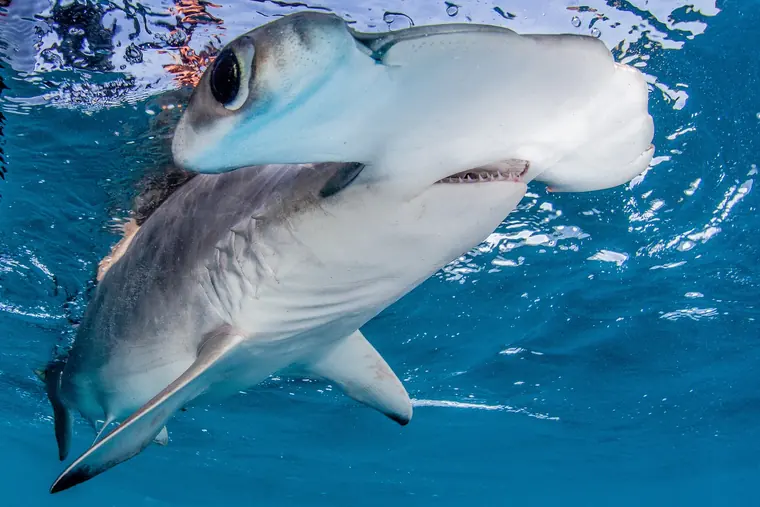
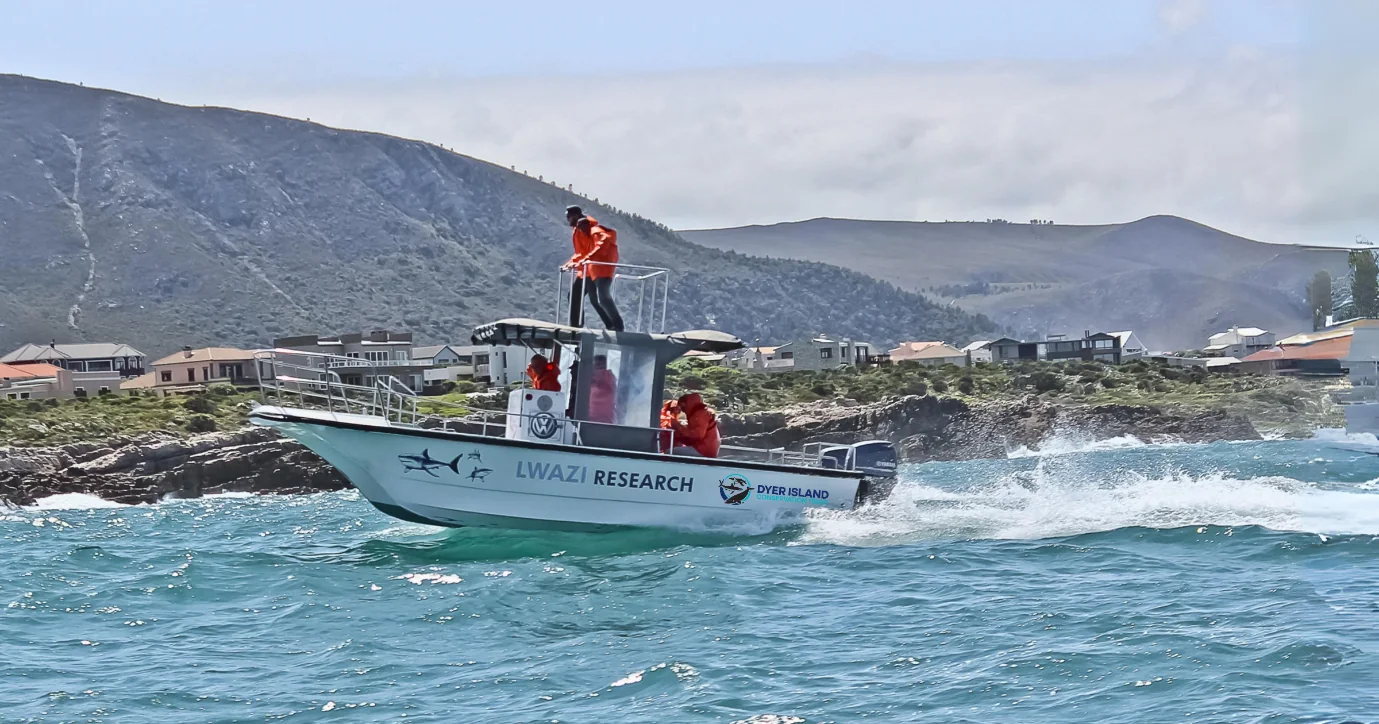
Photo-identification, acoustic tags and satellite tags have helped DICT researchers study great white shark numbers, behaviour and migration. Through the Acoustic Tracking Array Platform (ATAP), 285 acoustic receivers along more than 2,300 km of coastline log the movements of tagged animals. That work has followed great whites across the region and as far as Australia and sub-Antarctic waters, and has looked at how sharks heal from wounds and how populations changed after orcas began hunting them.
Giving penguins a fighting chance
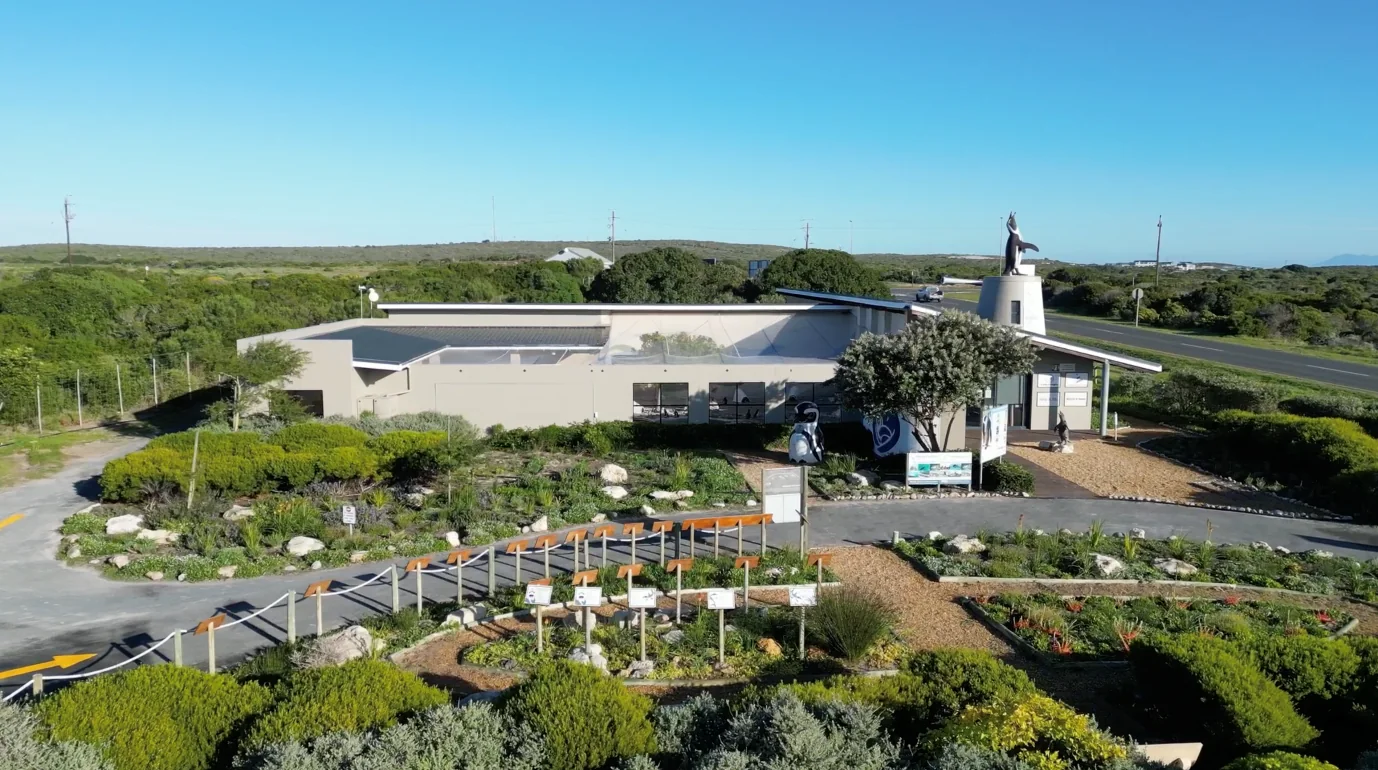
The African Penguin & Seabird Sanctuary (APSS) rescues, rehabilitates and releases injured, oiled and vulnerable seabirds. Over the past decade it has released 1,205 African penguins back to the wild.
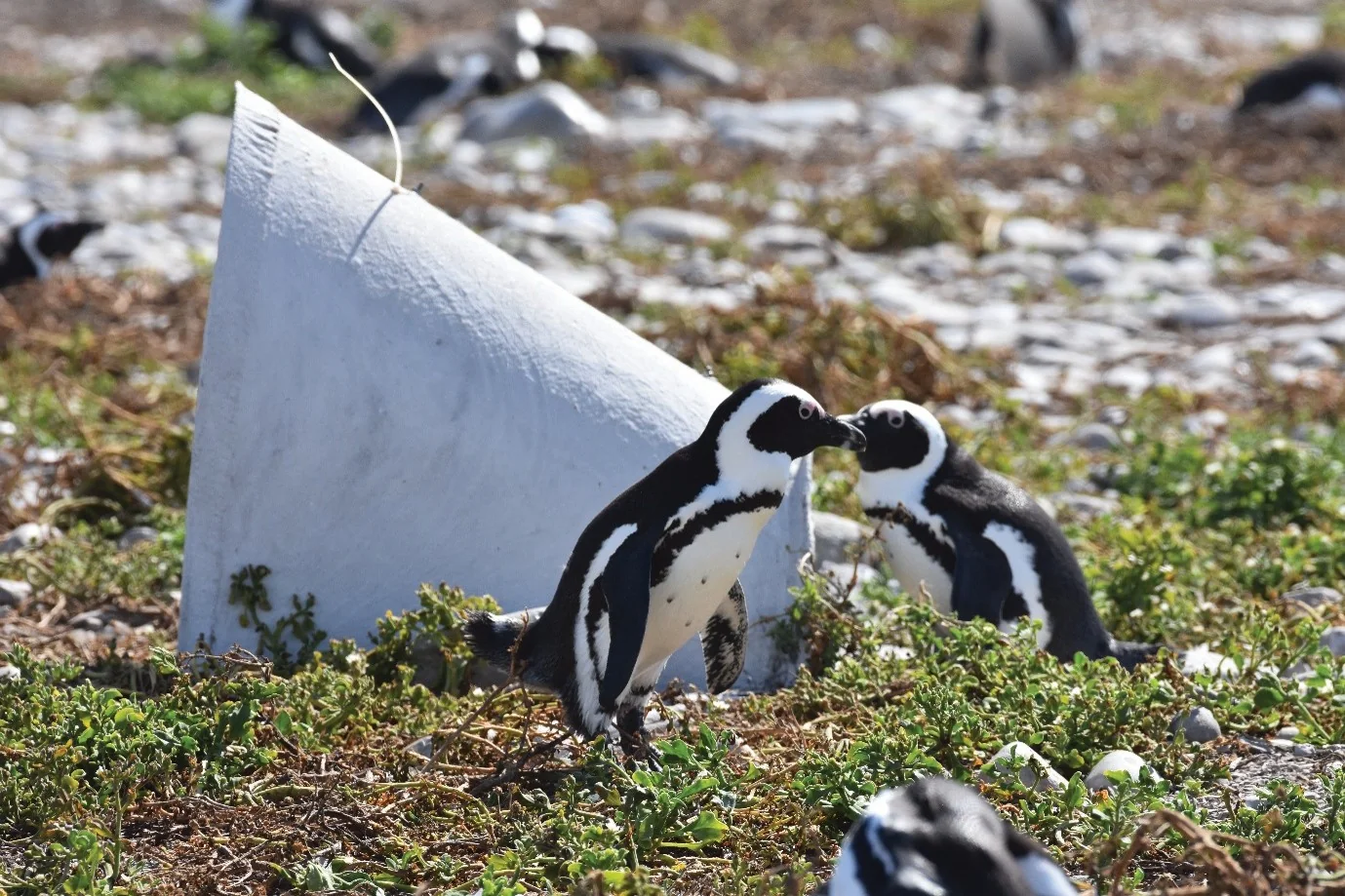
To improve breeding success, the African Penguin Nest Project designs and deploys artificial nests. More than 1,000 have been deployed across Southern Africa, and research shows a 16.5% increase in overall penguin productivity compared with natural nests. Cameras on Dyer Island and a dedicated seabird ranger keep watch on the colonies every day.
Watching the whole ecosystem
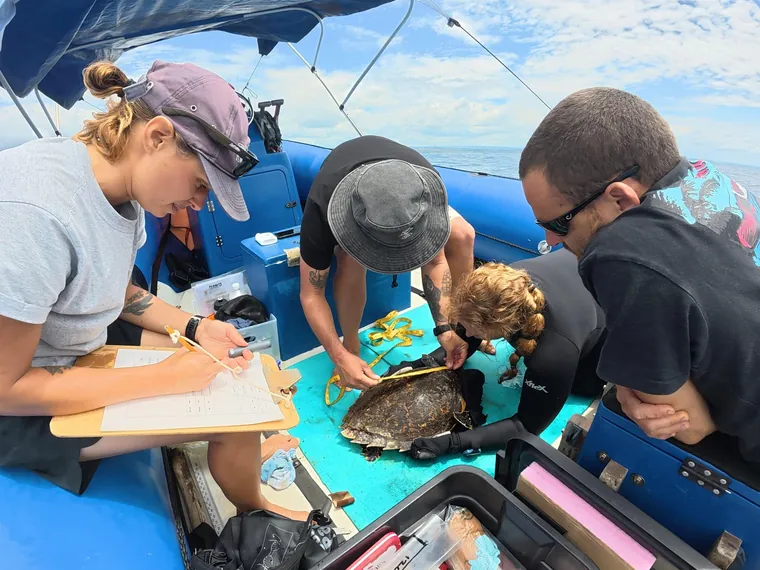
DICT runs quarterly baited underwater video surveys of fish and sharks, contributes to the ORI Cooperative Fish Tagging Project, and monitors the Uilenkraalsmond Estuary every week. Its researchers also survey whales, study the endangered Indian Ocean humpback dolphin, monitor Cape fur seals, and respond to marine animal strandings. Together with collaborators, they have contributed to 40 peer-reviewed scientific papers.
Stopping waste before it reaches the sea
The Fishing Line Bin Project puts disposal points for old fishing line along the coast, and Project Storm stretches nets over stormwater outlets to catch litter before it reaches the ocean. Beach clean-ups, community-made newspaper bags and education programmes such as DEEP and the Marine Month Competition, which has reached an estimated 20,000 learners in the Overstrand, carry the message further. Sustained advocacy also helped create a No Shark Catch Zone around Dyer Island.
How you can help
- Use fishing-line bins, join beach clean-ups, and report injured or entangled marine wildlife to the right rescue organisation.
- Donate, partner or volunteer with the Trust.
- Visit the African Penguin & Seabird Sanctuary, and choose responsible shark cage diving and whale-watching operators.