The problem
A healthy ocean supports biodiversity, livelihoods, food security and coastal communities. Yet marine ecosystems face growing pressure from unsustainable fishing, habitat degradation, pollution and climate change. Effective conservation requires reliable scientific evidence, practical responses and public participation. Many people, particularly learners from under-resourced communities, have limited opportunities to experience marine environments or understand how their everyday choices affect ocean health.
The action and the science
SAAMBR brings together research, education and animal care to address these challenges. Its research division, the Oceanographic Research Institute (ORI), conducts applied marine and coastal research that supports conservation and sustainable resource management. Work includes fisheries research, fish movement studies, reef and estuarine investigations, and monitoring that helps assess conservation measures. ORI's Cooperative Fish Tagging Project involves recreational anglers in citizen science, connecting ocean users directly with research.
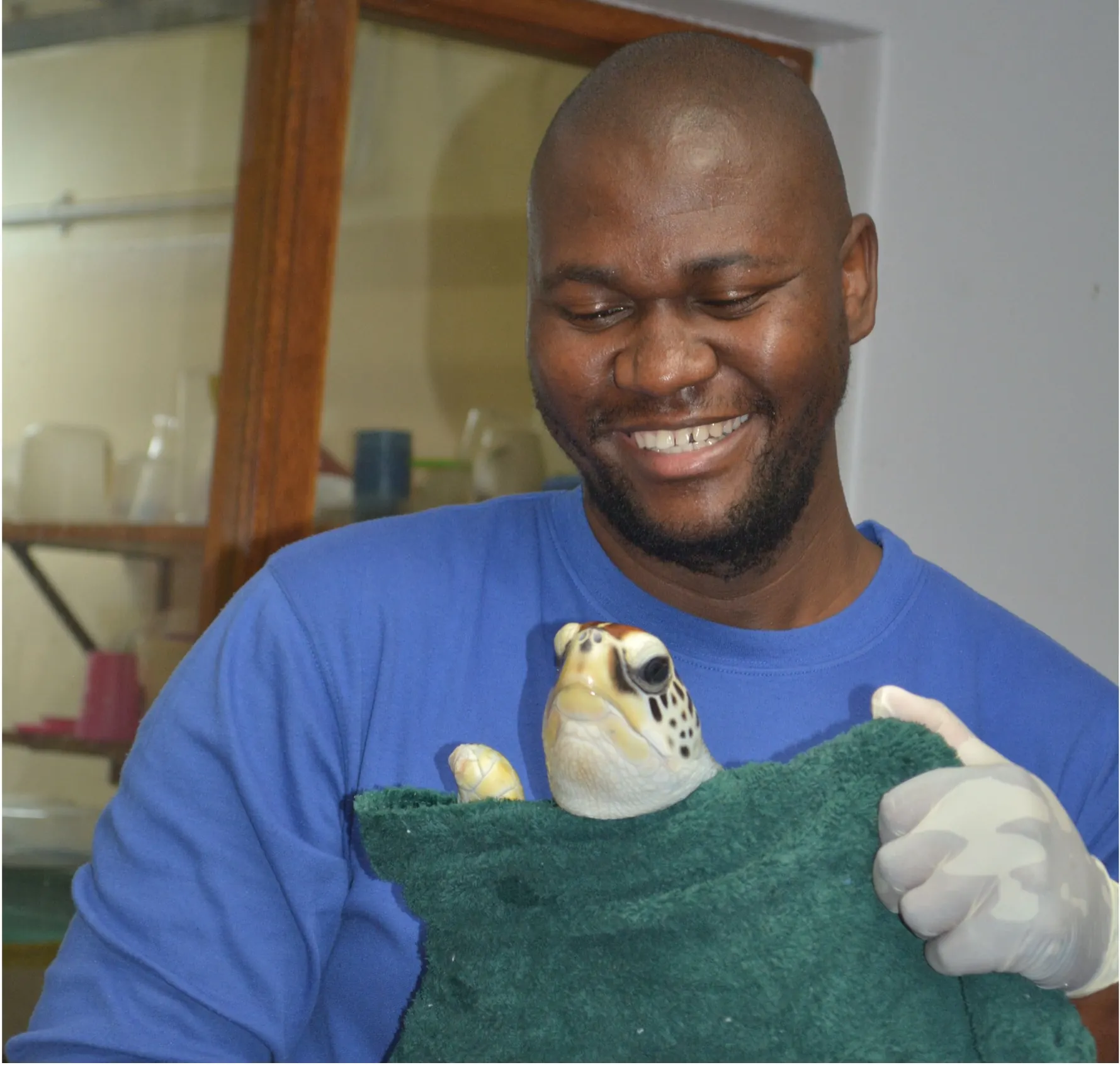
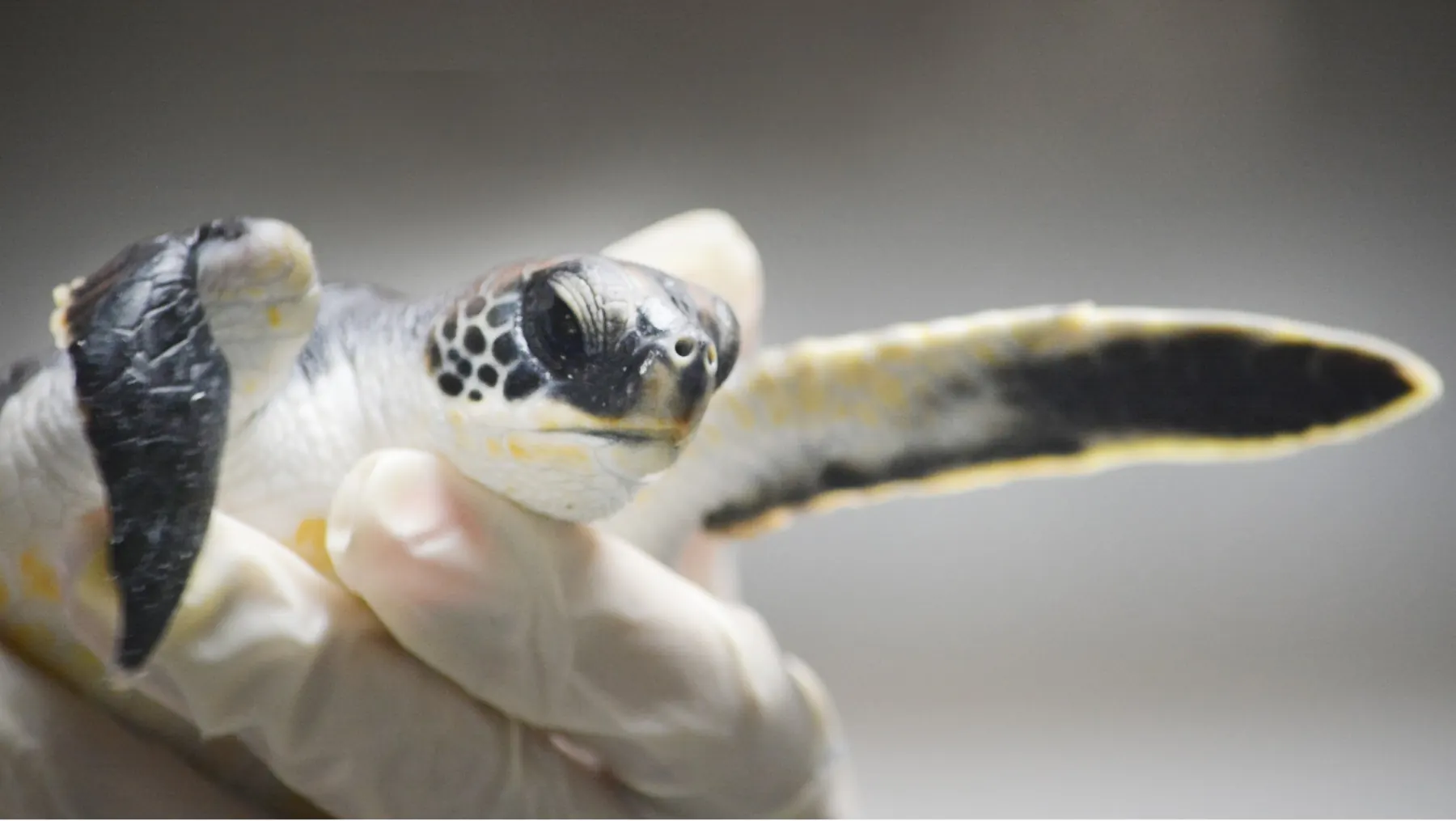
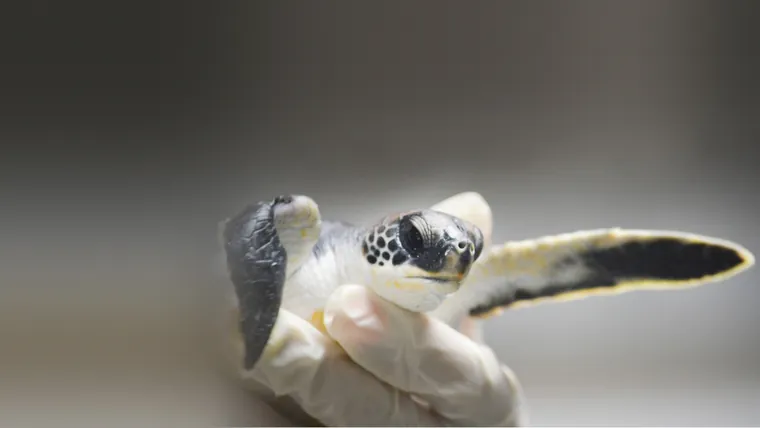
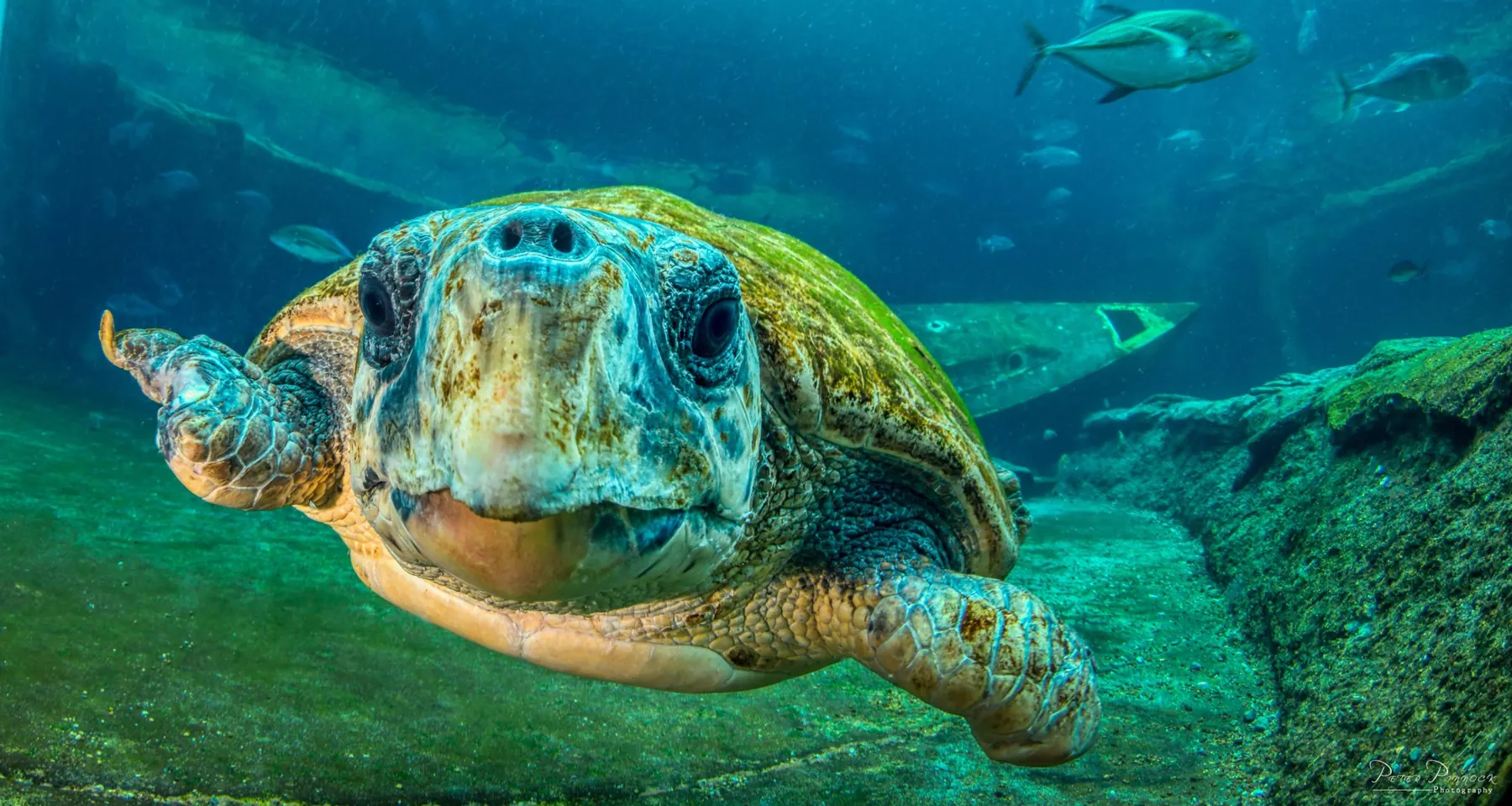
At uShaka Sea World, specialist teams rescue, treat and rehabilitate stranded or injured marine animals, including sea turtles, with release as the goal wherever appropriate. Education programmes translate marine science into meaningful learning through school visits, outreach, teacher support, public interpretation and immersive experiences in coastal habitats.
The impact
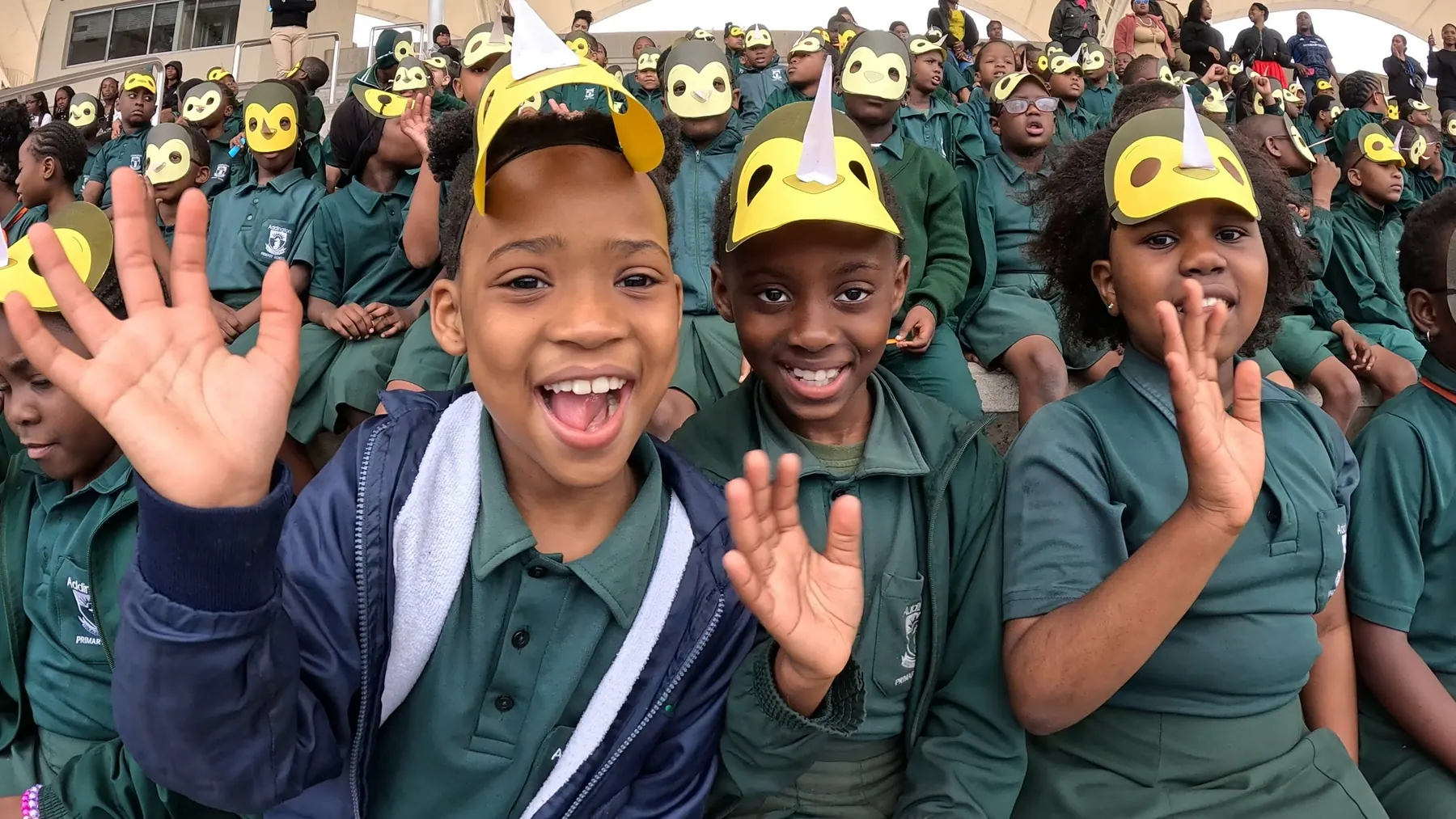
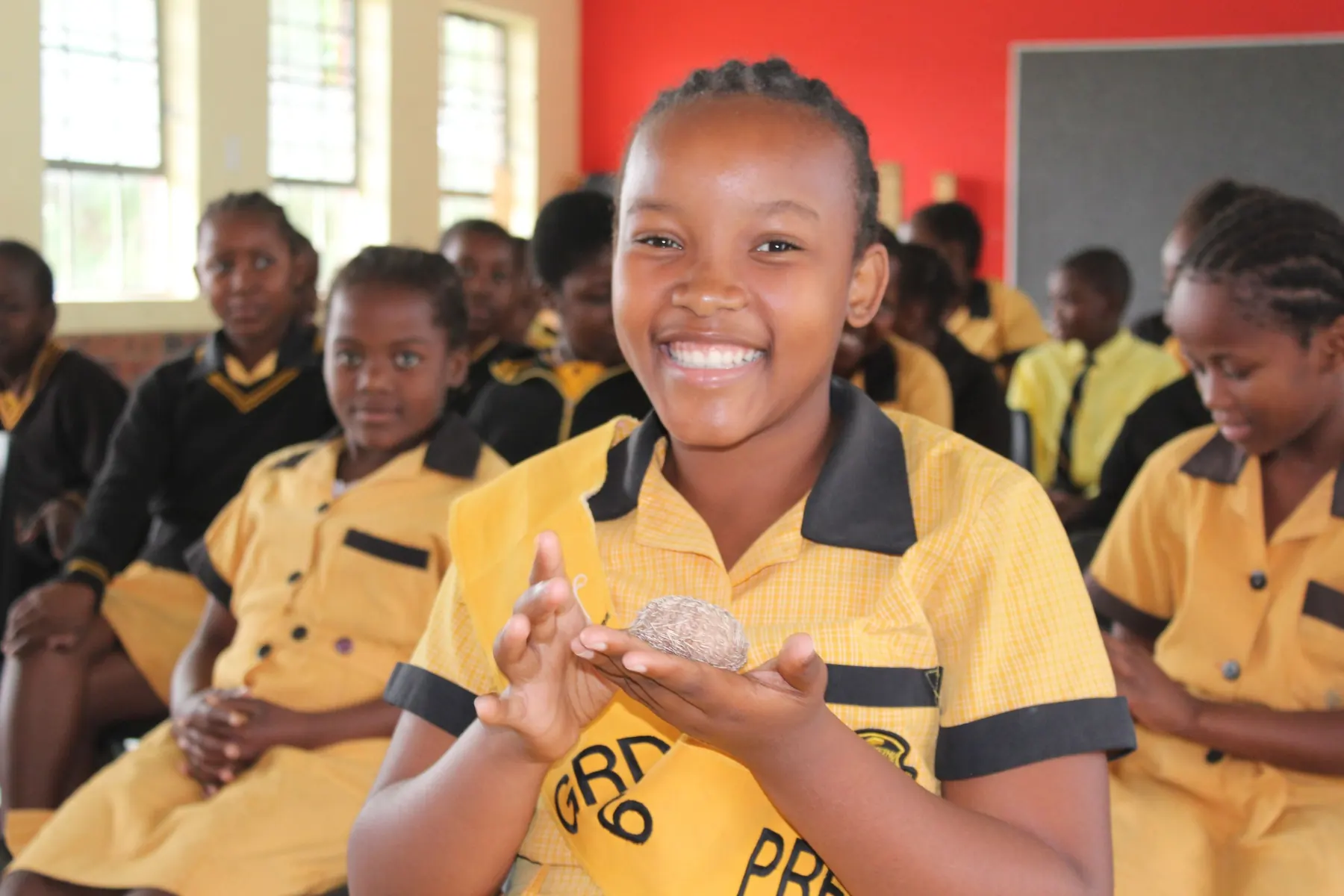
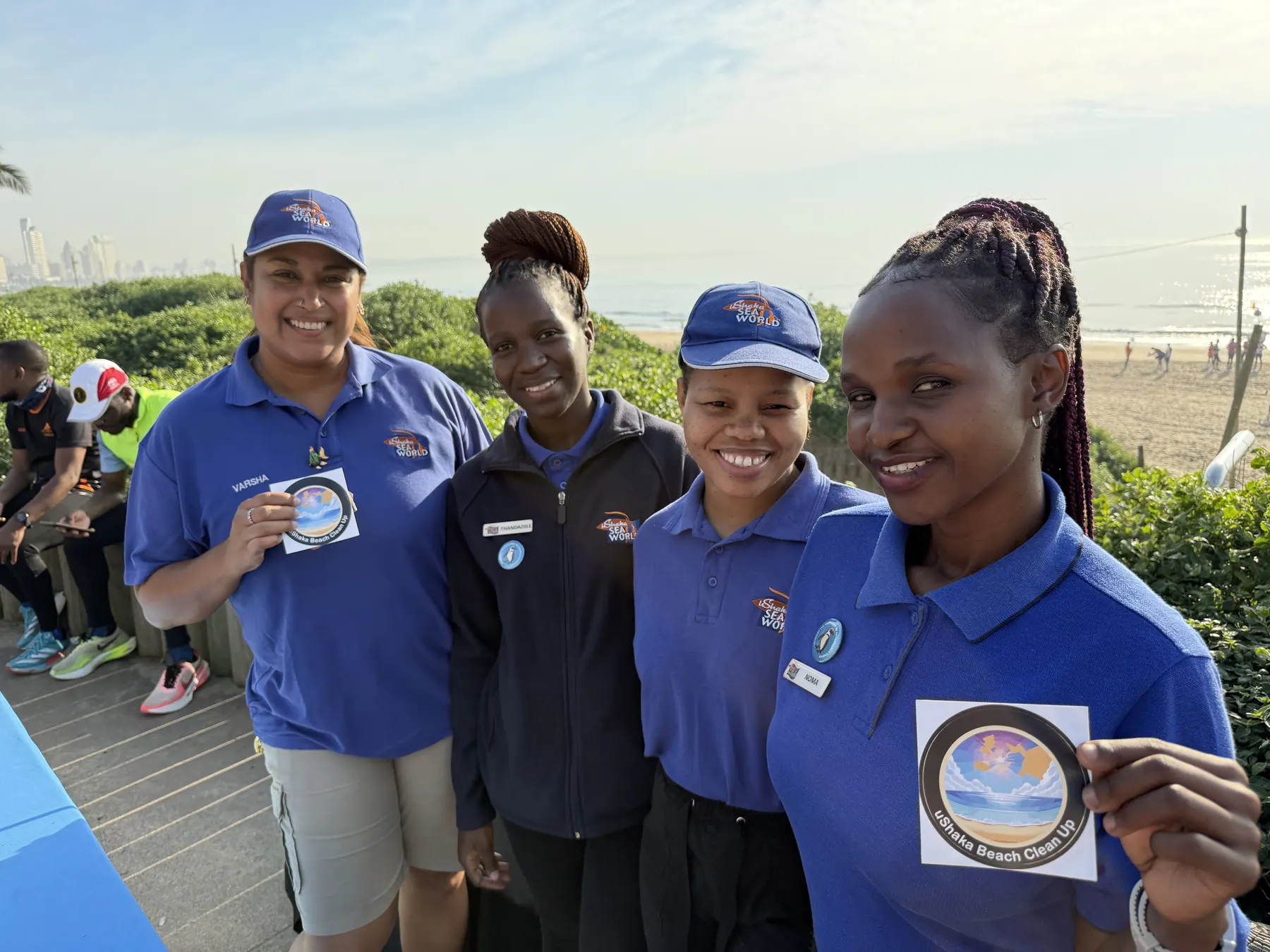
These complementary activities connect scientific understanding with practical conservation and public engagement. ORI contributes evidence that informs management decisions and strengthens regional research capacity. Rehabilitation gives individual animals another opportunity to return to the wild, while generating knowledge that supports future care. SAAMBR's education programmes directly reach more than 100,000 school learners annually. Programmes such as Catchment-to-Coast help learners connect activities upstream with the health of estuaries and the ocean, building understanding through experience, reflection and creative conservation messaging.
How ocean users can help
Ocean users can contribute by reporting tagged-fish recaptures, participating responsibly in approved citizen science programmes, following sustainable fishing practices, reducing pollution and respecting wildlife and sensitive habitats. Promptly reporting marine animals in distress helps trained responders provide appropriate assistance. Schools, businesses and community organisations can also partner with SAAMBR to expand access to ocean learning and support marine animal rescue, rehabilitation and conservation research. Together, informed everyday actions and sustained partnerships can strengthen the future of our coast.