SAAMBR at 75: Science, Rescue and Learning on the Durban Coast
Seventy-five years after it was founded, SAAMBR still runs on one idea: understand the ocean, care for its animals, and bring people closer to both.
SAAMBR was formally registered on 30 January 1951. It grew out of concern about shark bites on the KwaZulu-Natal coast, and its founders wanted to understand more than the sharks themselves. They wanted to understand the ocean those sharks depend on.
Their plan had three parts that still hold today: do applied marine research, teach the public, and help manage recreational fishing. To pay for it, they proposed a public aquarium whose entry fees would fund animal care and science.
From one rescued turtle to a world-class aquarium
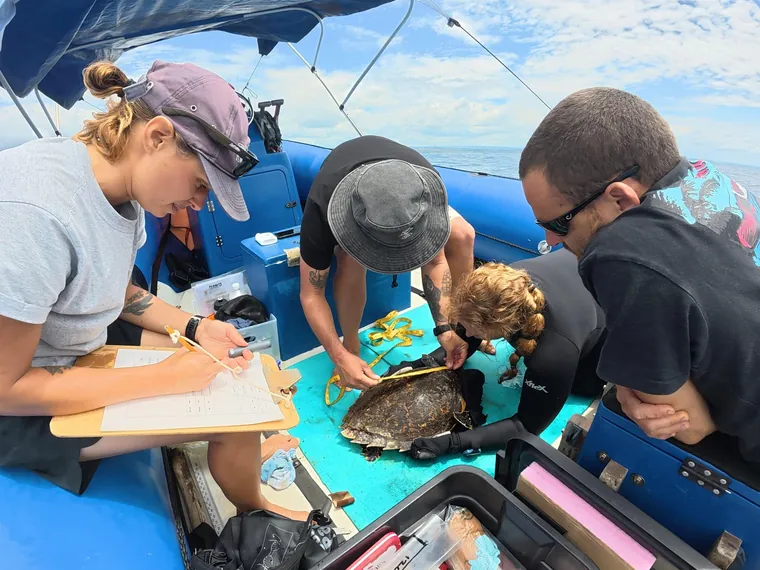
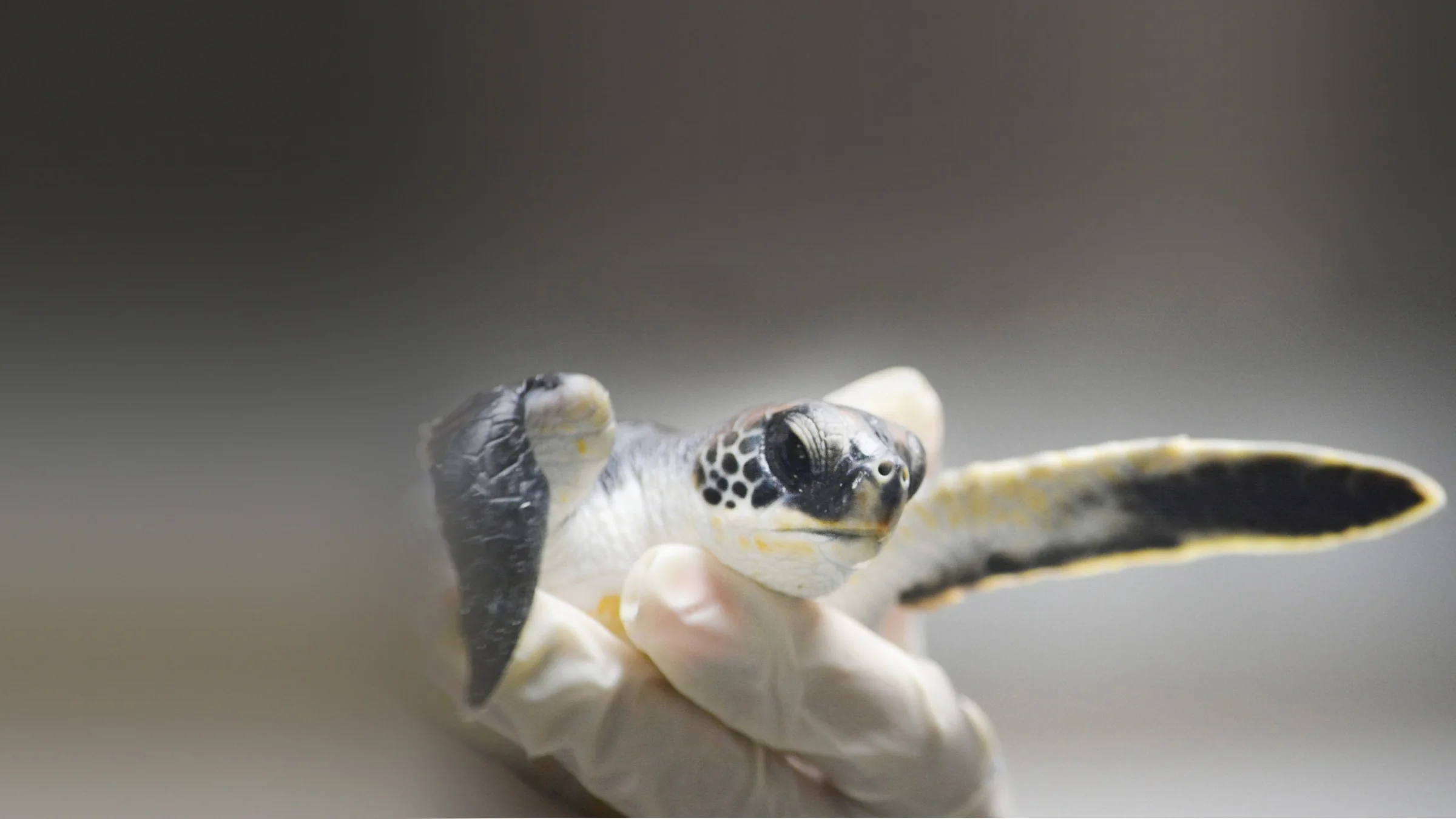
The aquarium opened in 1959, and its first resident was Myrtle, a rescued sea turtle. That detail says a lot. Sea turtle rescue and rehabilitation is still a cornerstone of SAAMBR's work, now from its home at uShaka Marine World, where it moved in 2004.
At uShaka Sea World, specialist teams rescue, treat and rehabilitate stranded or injured marine animals, including sea turtles, with release as the goal wherever appropriate. Every animal that goes back to the wild also adds to what the team knows about caring for the next one.
The science behind the decisions
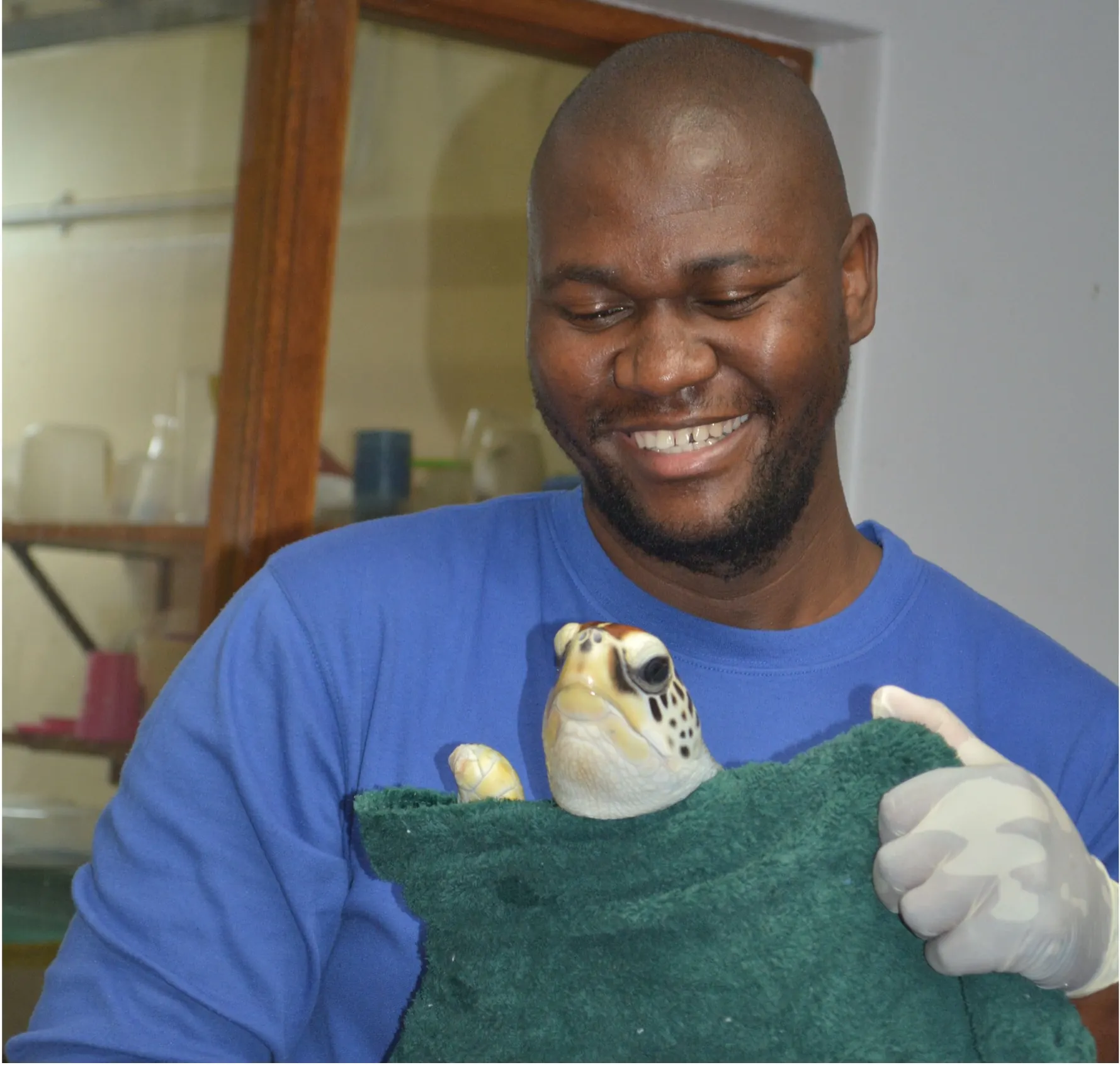
SAAMBR's research division, the Oceanographic Research Institute (ORI), carries out applied marine and coastal research that supports conservation and sustainable resource management. That covers fisheries research, fish movement studies, reef and estuarine investigations, and monitoring that shows whether conservation measures are working.
One of its longest-running projects turns ocean users into scientists. Since 1984, the ORI Cooperative Fish Tagging Project has had recreational anglers tag and release fish, then report the ones that are caught again. Every report adds to the picture of how fish move along our coast.
More than two million learners
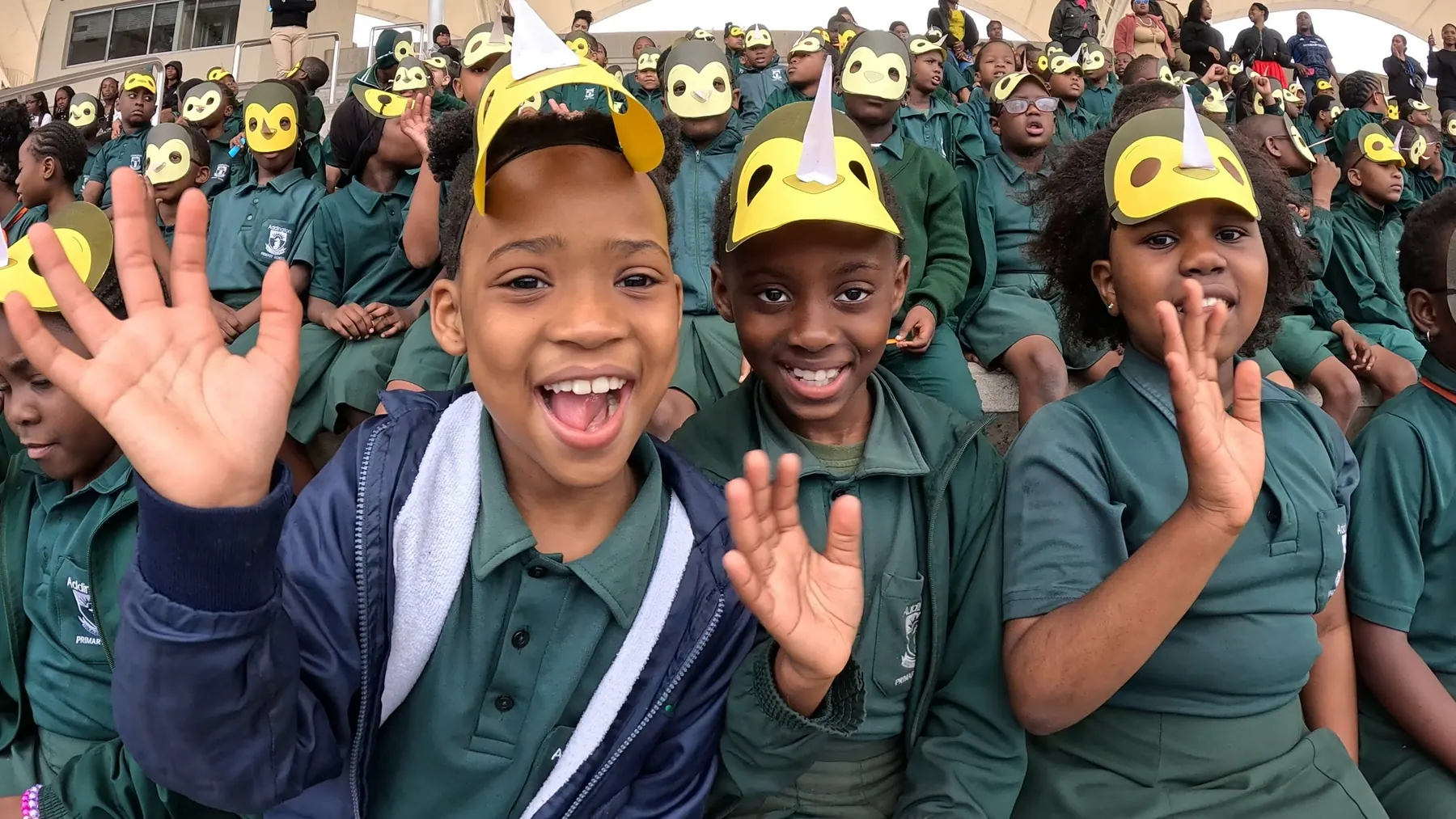
Education has been part of the plan from day one. SAAMBR appointed its first dedicated Education Officer in 1983, and in 1993 it started an outreach programme to reach under-resourced and rural communities. More than two million learners have now taken part, and over 100,000 visit every year.
Programmes such as Catchment-to-Coast help learners connect what happens upstream with the health of estuaries and the ocean, through experience, reflection and their own conservation messages.
How you can help
- Report tagged fish you catch, and join approved citizen science programmes.
- Fish sustainably, cut down on pollution, and give wildlife and sensitive habitats space.
- Report marine animals in distress quickly, so trained responders can help.
- Schools, businesses and community groups can partner with SAAMBR to grow ocean learning and support rescue, rehabilitation and research.
Informed everyday actions, backed by long-term partnerships, are what keep this coast healthy. Seventy-five years in, that is still the job.