
Following Sharks Across Borders
Dr Ryan Daly and the ORI team track threatened sharks and rays between South Africa and Mozambique. The data shows these animals do not stop at the border.
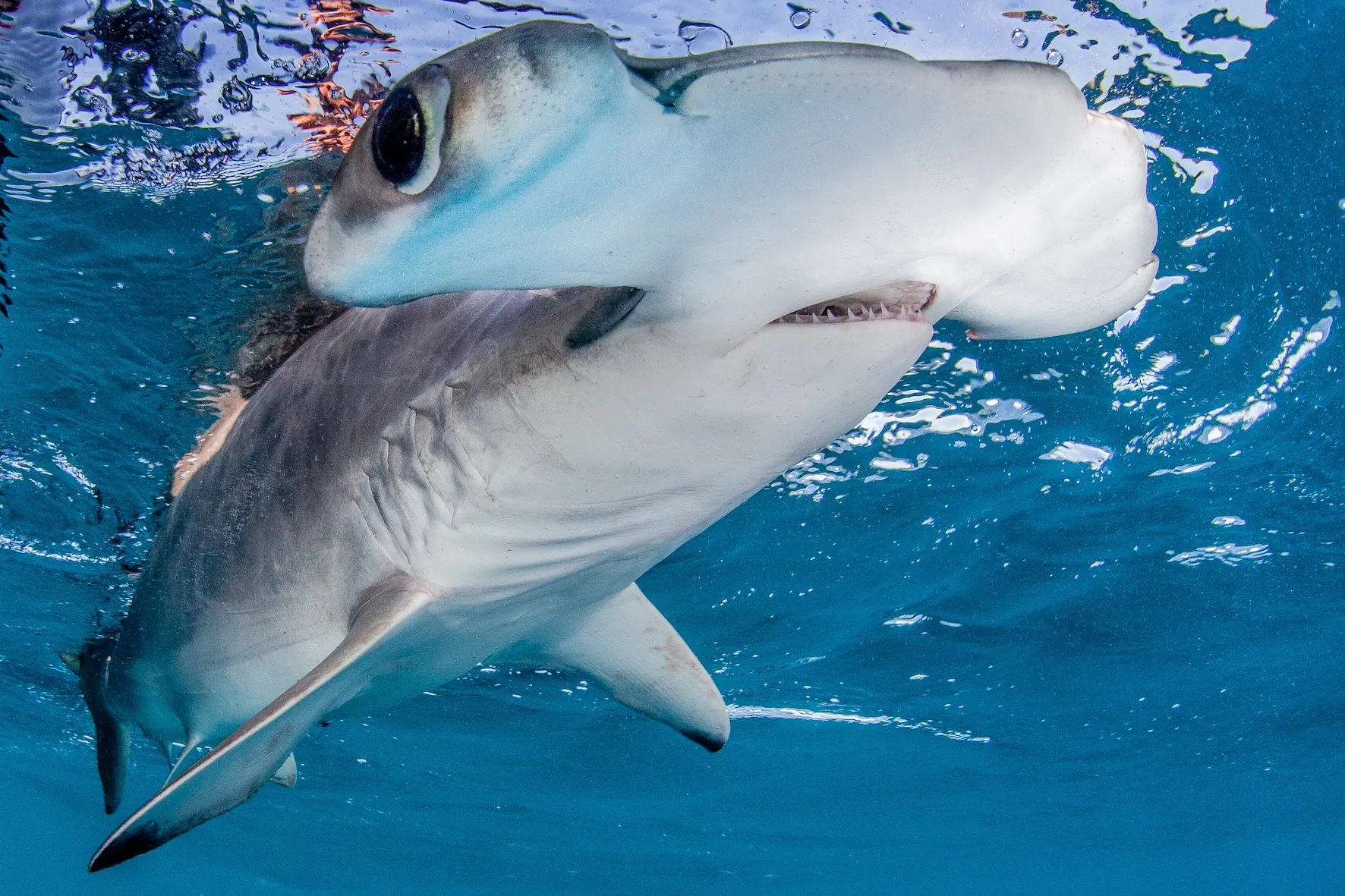
Migratory sharks and rays play a key ecological role, moving within and between marine ecosystems. Yet many populations are declining, and the wide-ranging species are the hardest to protect, because they cross between countries with very different conservation priorities.
That is the problem Dr Ryan Daly and the team at the Oceanographic Research Institute (ORI) work on, from Durban up through Sodwana Bay to Ponta do Ouro in southern Mozambique.
Tracking animals you cannot see
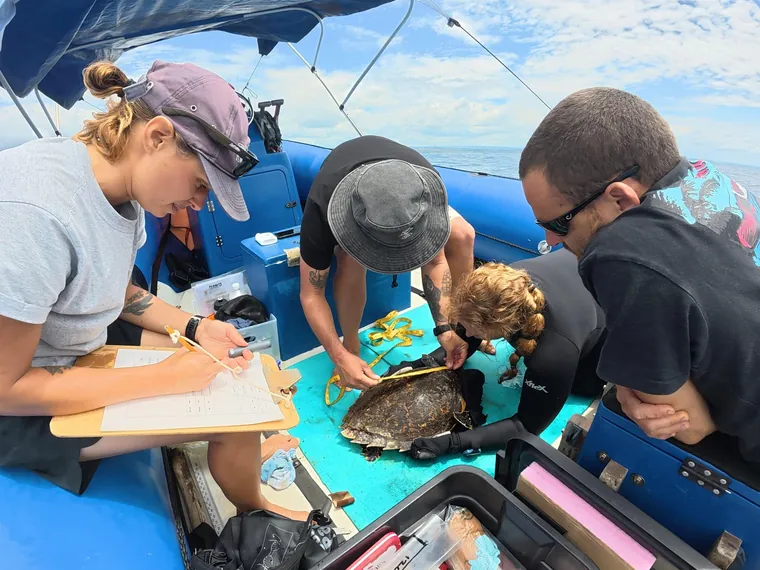
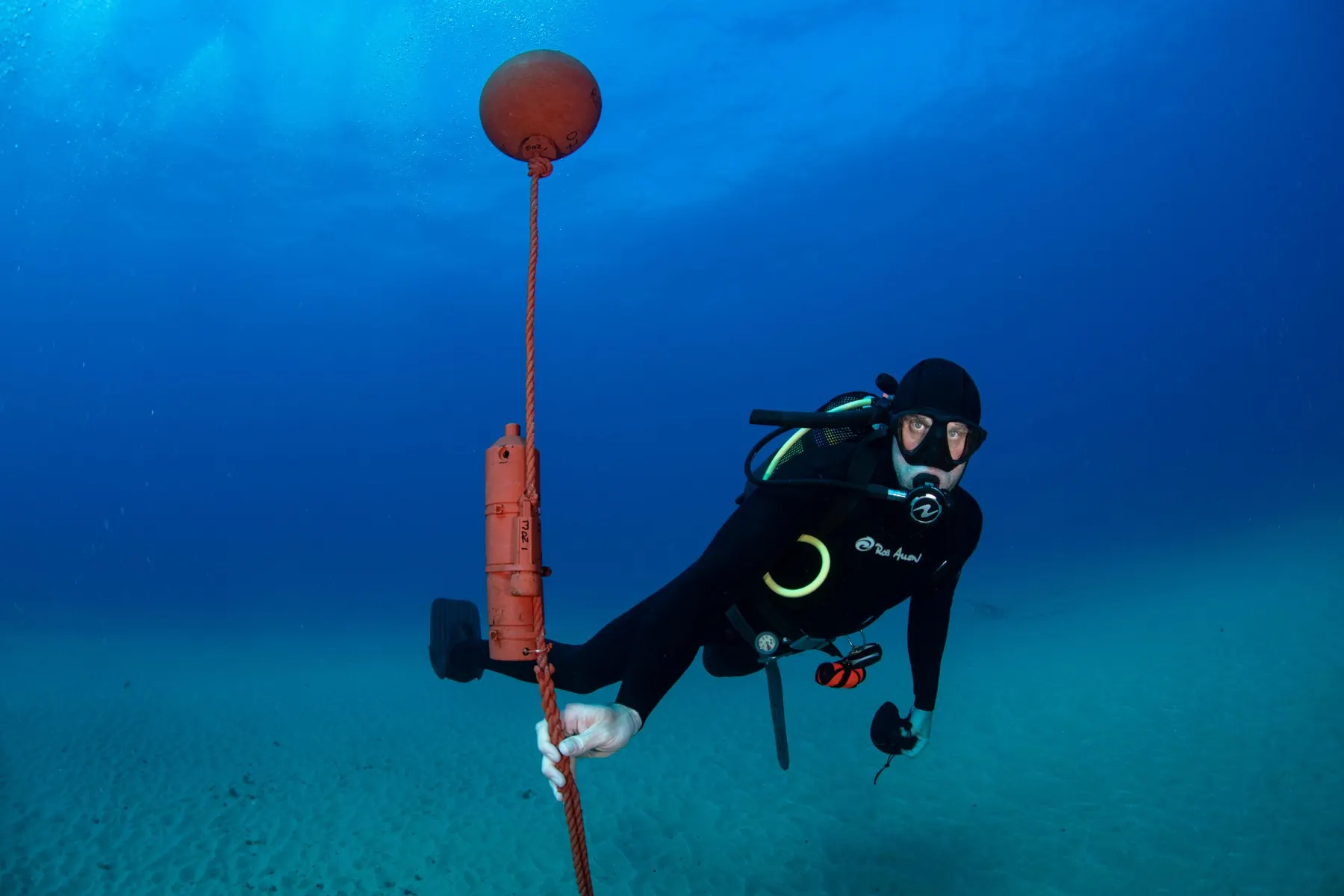
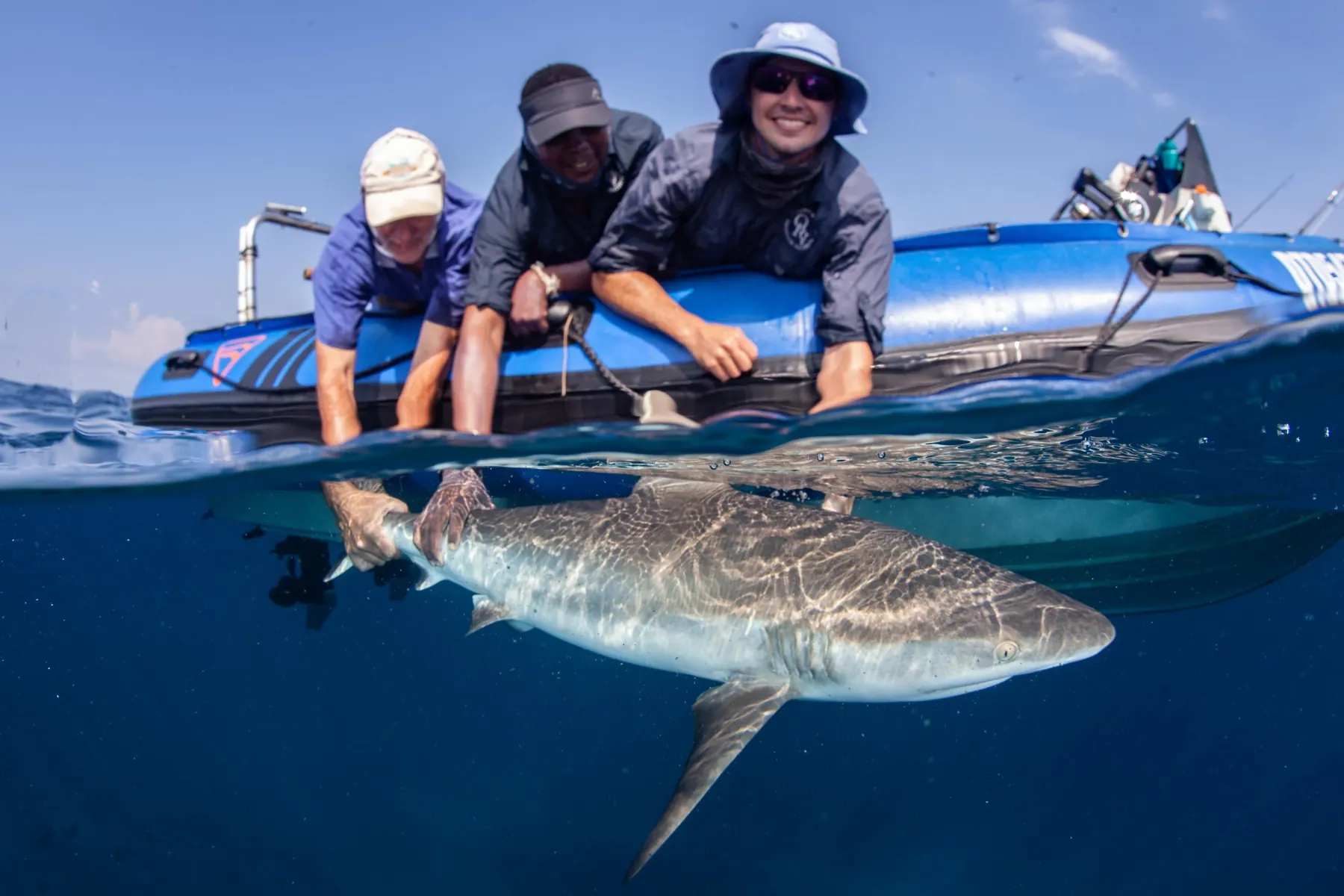
To protect a shark, you first need to know where it goes. The team fits threatened sharks and rays with satellite tags and acoustic tags. The acoustic tags are picked up by underwater receivers along the coast, and the receiver array ORI maintains spans the border between South Africa and Mozambique. The movement data is shared with networks across the western Indian Ocean.
What the data shows
In a study led by Dr Daly with the Save Our Seas Foundation and partners, more than 100 acoustically tagged bull, blacktip, grey reef and tiger sharks were followed between 2018 and 2022. 69% of them moved between the two countries.
Tiger sharks crossed the most: 94% made the trip, on average 7.5 times a year. Only 25% of grey reef sharks crossed. Bull sharks moved from South Africa into Mozambique in winter and came back in summer, while blacktip sharks headed south into cooler South African waters for the winter.
The pressures on each side of the border are very different. In South Africa, tiger shark dive tourism is worth an estimated US$660,000 a year. In Mozambique, the same animals face the fin trade and illegal fishing.
Why it matters
Knowing the key habitats and movement corridors makes the case for cross-border cooperation, for better protection in those areas, and for stronger rules both inside existing Marine Protected Areas and beyond them.
How ocean users can help
- Join the ORI Cooperative Fish Tagging Project and tag the fish you release.
- Report any tagged fish you catch on the ORI tagging site.
- Support the tagging and tracking of threatened sharks and rays with a financial contribution.